
Cold Storage and Refrigerated Distribution for Poultry Meat and Eggs: What Buyers Must Specify
Poultry meat and table eggs need different cold-chain handling. Buyers should specify each product form separately, agree packaging, segregation, temperature records, loading and documentation in writing, and confirm the applicable rules for the origin, transit and destination jurisdictions instead of copying one temperature for every shipment.
By HatchMatch Group Editorial Desk · Last updated 2026-10-19
In short
Poultry meat and table eggs need different cold-chain handling. Buyers should specify each product form separately, agree packaging, segregation, temperature records, loading and documentation in writing, and confirm the applicable rules for the origin, transit and destination jurisdictions instead of copying one temperature for every shipment.
Key takeaways
- Fresh chilled poultry, frozen poultry, further-processed products and shell eggs each have different handling expectations, and the rules vary by jurisdiction.
- For each product line, write down: product form (fresh, frozen, egg), packaging type, the temperature range your qualified food-safety staff or the destination rules require, tolerance and maximum time outside range during loading, humidity or condensation concerns for eggs, stacking limits and pallet type.
- Packaging must protect the product, survive cold and condensation, and carry the information required by the destination: product name, establishment identification, lot or date code, handling statement and language.
- Raw poultry and its juices can contaminate other foods (FSIS, Chicken from Farm to Table, accessed 19 October 2026).
- Pre-cool vehicles or containers to the agreed set point, load from a refrigerated dock where possible, keep doors closed between pallets, maintain air circulation around the load and do not overload the unit's refrigeration capacity.
Poultry meat and table eggs need different cold-chain handling. Buyers should specify each product form separately, agree packaging, segregation, temperature records, loading and documentation in writing, and confirm the applicable rules for the origin, transit and destination jurisdictions instead of copying one temperature for every shipment.
This guide is for commercial buyers organising supply or storage. It is general guidance, not legal or food-safety advice. HatchMatch does not store, transport, inspect or take title to products and does not guarantee safety, quality or delivery.
Product form changes the requirement
Fresh chilled poultry, frozen poultry, further-processed products and shell eggs each have different handling expectations, and the rules vary by jurisdiction. In the United States, for example, FSIS defines "fresh" raw poultry as never held below 26 °F, requires a "keep frozen" statement for raw poultry held at 0 °F or below, and advises that fresh raw poultry be held in a cooler below 40 °F and above 26 °F at retail (FSIS, The Poultry Label Says "Fresh", accessed 19 October 2026). Other markets define categories, labels and limits differently. Shell eggs are not handled like frozen meat: the Codex code of hygienic practice for eggs and egg products is a reference framework, and destination authorities set the binding requirements.
Specify the storage and handling basis
Want these figures for your own site, capacity and country? A HatchMatch specialist builds the budget with you — no buyer fees.
Start freeFor each product line, write down: product form (fresh, frozen, egg), packaging type, the temperature range your qualified food-safety staff or the destination rules require, tolerance and maximum time outside range during loading, humidity or condensation concerns for eggs, stacking limits and pallet type. Ask the warehouse or supplier to confirm each item rather than assuming their standard practice matches.
Packaging and labelling
Packaging must protect the product, survive cold and condensation, and carry the information required by the destination: product name, establishment identification, lot or date code, handling statement and language. FSIS notes that open dates such as "sell by" or "use before" are quality dates set by the processor and must be accompanied by a phrase explaining their meaning (FSIS, accessed 19 October 2026). Agree carton strength, liners, pallet wrap and labelling templates before the first order.
Segregation and cross-contamination control
Raw poultry and its juices can contaminate other foods (FSIS, Chicken from Farm to Table, accessed 19 October 2026). In storage and transport, specify separation of raw meat from ready-to-eat products, leak-proof packaging, separate zones or compartments where required, and cleaning of vehicles and rooms between loads. Eggs should be kept away from strong odours and from leaking product.
Temperature records you should ask for
| Stage | Record to request | Who keeps it |
|---|---|---|
| Cold room or store | Continuous room temperature log and alarm history | Warehouse operator |
| Pre-cooling and loading | Product temperature at loading, door-open time, pre-cooled vehicle check | Shipper/carrier |
| Transport | Data-logger download for the full journey, set point of the unit | Carrier |
| Receiving | Product temperature on arrival, seal number, visual condition | Receiver |
Agree in advance what happens when a record shows a deviation: who is notified, who decides on product disposition, and what evidence supports a claim.
Loading and transport practice
Pre-cool vehicles or containers to the agreed set point, load from a refrigerated dock where possible, keep doors closed between pallets, maintain air circulation around the load and do not overload the unit's refrigeration capacity. Reefer units are designed to maintain temperature, not to pull down warm product; product should already be at the agreed temperature when loaded.
Documentation buyers and suppliers exchange
- Product specification and approved label.
- Establishment approval or registration for the destination where required.
- Health or veterinary certificate when the importing country requires it.
- Lot list linking cartons to production and packing records.
- Temperature records for storage, loading and transport.
- Commercial invoice, packing list and agreed Incoterms® rule with named place.
Have the competent authority, importer and customs broker confirm the exact document set. Existing trade on a route does not prove that a specific establishment or shipment is eligible; see buyer-country market evidence.
Risks and trade-offs
Cheaper storage can mean shared rooms, poor alarm response or inconsistent records. Long transit increases the chance of temperature deviations and date pressure. Mixed loads reduce freight cost but complicate segregation. Make these trade-offs explicit in the quotation instead of discovering them at receiving.
Frequently asked buyer questions
Can poultry meat and eggs share one refrigerated truck? Only if the agreed conditions suit both products, segregation is adequate and the destination rules allow it. Often separate loads are simpler to control.
Is one storage temperature correct worldwide? No. Product form, jurisdiction and the buyer's food-safety plan determine the requirement.
Who is responsible if a logger shows a deviation? The contract should say. Define notification, assessment and remedies before shipping.
Does HatchMatch arrange logistics? No. HatchMatch helps buyers specify requirements and reviews suppliers before a managed introduction; it does not ship or store goods.
Request sourcing support
Commercial buyers of poultry meat, table eggs or egg products can submit a reviewed sourcing brief through the poultry and egg sourcing request. Include the product and species, volume and delivery frequency, origin preferences and destination, storage and temperature requirements, required certifications and documents, timeline and budget. Buyer requests are free; every brief gets human review and HatchMatch aims to reply within two business days. For bulk egg specifications, see the table-egg buying guide. Cold-storage infrastructure projects can also be explored with our sister platform ColdMatch.
*Sources accessed 19 October 2026: USDA FSIS, The Poultry Label Says "Fresh"; USDA FSIS, Chicken from Farm to Table; Codex Alimentarius, CXC 15 Code of Hygienic Practice for Eggs and Egg Products. US rules are cited as one jurisdiction's example.*
Related guides: Poultry Processing Chilling and Refrigeration Systems: A Buyer's Guide to Stages, Methods and Validation · How to Procure Poultry Refrigeration Equipment: Capacity, Cold Rooms, Backup Power and an RFQ Checklist
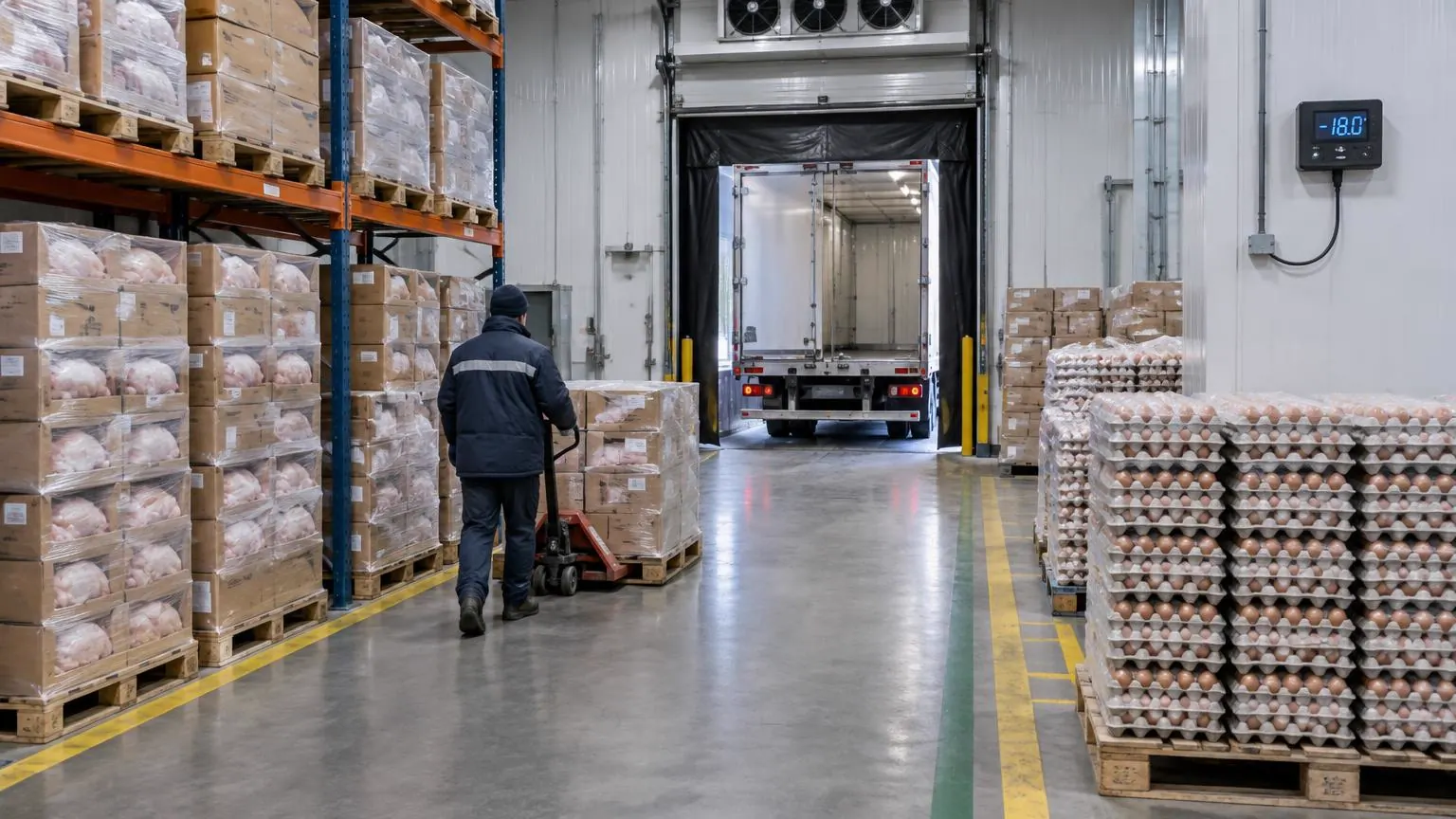
*Image: AI-generated editorial illustration; not a HatchMatch or supplier facility and not evidence of compliance or of any temperature requirement.*
Frequently asked questions
- Can poultry meat and eggs share one refrigerated truck?
- Only if the agreed conditions suit both products, segregation is adequate and the destination rules allow it. Often separate loads are simpler to control.
- Is one storage temperature correct worldwide?
- No. Product form, jurisdiction and the buyer's food-safety plan determine the requirement.
- Who is responsible if a logger shows a deviation?
- The contract should say. Define notification, assessment and remedies before shipping.
- Does HatchMatch arrange logistics?
- No. HatchMatch helps buyers specify requirements and reviews suppliers before a managed introduction; it does not ship or store goods.
More buyer questions are answered in our poultry procurement FAQ — also available in Español, Français, Português, Deutsch, العربية, Русский, Türkçe, Tiếng Việt.
From this article to a procurement-ready RFQ
HatchMatch Group is an independent sourcing desk — not a manufacturer or EPC contractor. These are the four steps we actually use with commercial poultry and hatchery buyers. If you are still deciding scope, start with what commercial poultry equipment includes and how suppliers are compared.
- 1. Plan the projectCapacity, climate and house layout in one guided workflowOpen
- 2. Build the RFQScope, specifications and comparable line itemsOpen
- 3. Submit the requestReviewed manually before HatchMatch contacts any supplier on the buyer's behalfOpen
- 4. Track and compareFollow status and normalise supplier responsesOpen
Prefer the numbers first? Start with the poultry project cost calculator or browse the project planning guides.
Blog · Email updates
Get updates
Choose the reading that matters to your project.
Email subscriptions are not available yet.