
How to Procure Poultry Refrigeration Equipment: Capacity, Cold Rooms, Backup Power and an RFQ Checklist
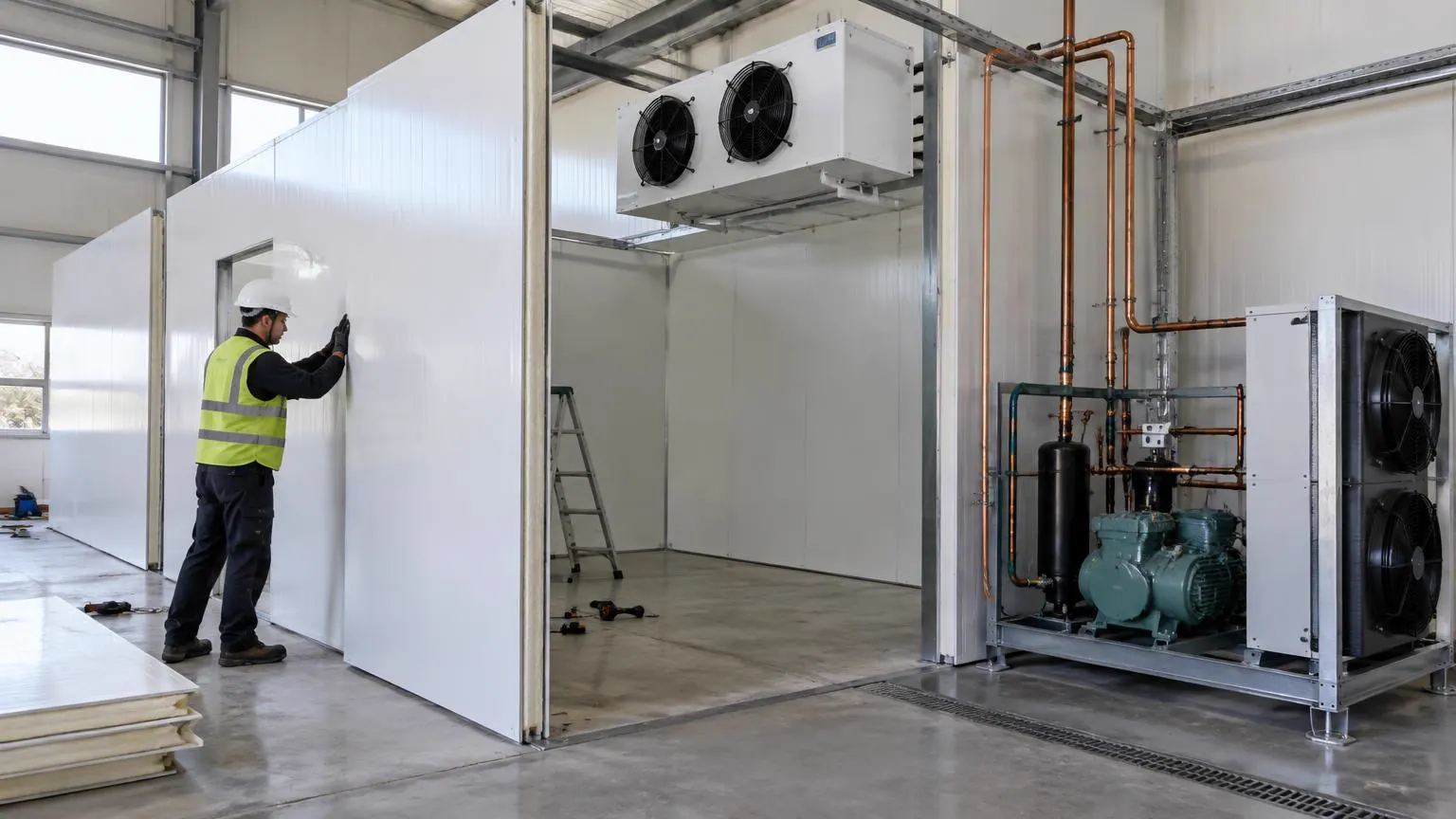
Buying poultry refrigeration equipment starts with a written capacity basis for peak production, not a catalogue model. Ask every supplier to quote the same cold rooms, chillers, freezers, controls and backup power, and compare energy and water use, sanitation, maintenance and lifecycle cost alongside the purchase price.
By HatchMatch Group Editorial Desk · Last updated 2026-10-19
In short
Buying poultry refrigeration equipment starts with a written capacity basis for peak production, not a catalogue model. Ask every supplier to quote the same cold rooms, chillers, freezers, controls and backup power, and compare energy and water use, sanitation, maintenance and lifecycle cost alongside the purchase price.
Key takeaways
- Every supplier must size against the same numbers.
- Peak load usually occurs when warm product enters during hot weather while doors are open.
- Specify what must keep running during a grid outage: refrigeration, monitoring, alarms, doors and lighting.
- Ask each bidder for estimated energy consumption at design and part load under the same assumptions, the efficiency data behind it, condenser water or evaporative water use, and options such as heat recovery or variable-speed drives.
- Cold rooms near food need cleanable surfaces, sealed panel joints, managed condensate and drainage.
Buying poultry refrigeration equipment starts with a written capacity basis for peak production, not a catalogue model. Ask every supplier to quote the same cold rooms, chillers, freezers, controls and backup power, and compare energy and water use, sanitation, maintenance and lifecycle cost alongside the purchase price.
HatchMatch is an independent, human-reviewed procurement platform. It does not manufacture, install or certify equipment and does not guarantee performance, prices or energy savings. Industrial project requests start at USD 250,000 total budget; buyer service is free.
Step 1: Write the capacity basis
Every supplier must size against the same numbers. Include daily and peak-hour product intake, product form and weight, entry temperature and the target temperatures your food-safety team or destination rules require, pull-down time, storage days, pallet positions, number of door openings, site ambient design conditions and planned expansion. US FSIS guidance, for instance, distinguishes fresh raw poultry never held below 26 °F from frozen raw poultry held at 0 °F or below (FSIS, accessed 19 October 2026); confirm the categories that apply in your market before sizing.
Step 2: Define the equipment scope
Want these figures for your own site, capacity and country? A HatchMatch specialist builds the budget with you — no buyer fees.
Start free| Element | Key specification questions |
|---|---|
| Chilled rooms | Pallet positions, room temperature range, humidity, door type, air curtains, floor loading |
| Blast chillers or freezers | Product load per batch or per hour, pull-down time, airflow pattern, product packaging |
| Frozen stores | Storage capacity, temperature range, floor heating against frost heave, racking |
| Refrigeration plant | Refrigerant choice and local rules, redundancy, compressor and condenser type, heat recovery |
| Controls and monitoring | Sensors, data logging, alarms, remote access, cybersecurity, integration with plant controls |
| Loading docks | Dock seals, levellers, pre-cooled marshalling area |
Step 3: Plan for peak load and redundancy
Peak load usually occurs when warm product enters during hot weather while doors are open. Ask suppliers to show the peak calculation and how much spare capacity they include. Redundancy options include multiple compressors, split circuits and standby units; decide which rooms are critical enough to justify them.
Step 4: Backup power and resilience
Specify what must keep running during a grid outage: refrigeration, monitoring, alarms, doors and lighting. Ask for the generator or alternative supply size, automatic transfer, fuel autonomy, and the expected room temperature rise if power fails. FSIS notes that bacteria multiply rapidly between 40 and 140 °F (FSIS, Chicken from Farm to Table, accessed 19 October 2026), so a written outage plan protects product as well as equipment. Our poultry house energy calculator can help estimate wider site energy needs.
Step 5: Energy and water use
Ask each bidder for estimated energy consumption at design and part load under the same assumptions, the efficiency data behind it, condenser water or evaporative water use, and options such as heat recovery or variable-speed drives. Treat savings claims as supplier estimates unless supported by measured data from comparable sites. Do not accept a percentage saving without its baseline.
Step 6: Sanitation and maintenance
Cold rooms near food need cleanable surfaces, sealed panel joints, managed condensate and drainage. Ask for the cleaning procedure, maintenance schedule, spare-parts list and price, local service availability and response time, refrigerant handling qualifications of the service team, and training for your operators.
Step 7: Compare lifecycle cost, not purchase price
Normalise quotes to the same scope and capacity, then add installation, civil works not included, energy and water over the planning period, maintenance, spare parts, refrigerant top-ups and expected component replacement. Use your own tariffs and assumptions; the farm-cost calculator remains the place for project-level investment and return estimates.
Refrigeration RFQ checklist
- Capacity basis: intake, peak hour, product form, entry and target temperatures, storage days, pallets.
- Room list with temperature ranges, dimensions, doors and docks.
- Refrigeration plant type, refrigerant and compliance with local rules.
- Redundancy and backup power requirements.
- Controls, logging, alarms and data export format.
- Energy and water use at design and part load, with assumptions.
- Hygienic design, cleaning procedure and materials.
- Installation scope, civil interfaces, commissioning and performance test.
- Warranty, spare parts, local service and training.
- References from comparable poultry or food cold-storage projects.
- Delivery timeline, payment terms and Incoterms® rule with named place.
Risks and trade-offs
The cheapest bid often excludes civil works, electrical upgrades or controls. Oversized plant costs more to run at part load; undersized plant fails at peak. Refrigerant rules are changing in many countries, which affects future service cost. Imported systems may need local pressure-equipment and electrical approvals.
Frequently asked buyer questions
How much does a poultry cold room cost? It depends on capacity, temperature, insulation, plant type, site and scope. HatchMatch does not publish price lists; comparable quotes come from a shared specification.
Should I buy chillers and cold rooms from one supplier? A single supplier simplifies interfaces, but separate lots can improve competition. If you split, define the interface schedule clearly.
Do I need backup power? Most commercial operations need a plan for outages. The size depends on which loads are critical and how long product can be protected.
Are the energy savings in brochures reliable? Only when backed by measured data under stated conditions. Ask for the baseline and references.
Request comparable quotations
Use the poultry project request for refrigeration and cold-storage projects with a total budget of USD 250,000 or more. Describe the product and species, throughput or storage capacity, site location, temperature and storage requirements, certifications, timeline and budget. Every brief gets human review and HatchMatch aims to reply within two business days. Explore commercial poultry equipment suppliers, and for dedicated cold-chain infrastructure see our sister platform ColdMatch.
*Sources accessed 19 October 2026: USDA FSIS, The Poultry Label Says "Fresh"; USDA FSIS, Chicken from Farm to Table; USDA FSIS, Refrigeration and Food Safety. US rules are cited as one jurisdiction's example.*
Related guides: Poultry Processing Chilling and Refrigeration Systems: A Buyer's Guide to Stages, Methods and Validation · Cold Storage and Refrigerated Distribution for Poultry Meat and Eggs: What Buyers Must Specify
*Image: AI-generated editorial illustration; not a HatchMatch or supplier facility and not evidence of compliance or of any temperature requirement.*
Frequently asked questions
- How much does a poultry cold room cost?
- It depends on capacity, temperature, insulation, plant type, site and scope. HatchMatch does not publish price lists; comparable quotes come from a shared specification.
- Should I buy chillers and cold rooms from one supplier?
- A single supplier simplifies interfaces, but separate lots can improve competition. If you split, define the interface schedule clearly.
- Do I need backup power?
- Most commercial operations need a plan for outages. The size depends on which loads are critical and how long product can be protected.
- Are the energy savings in brochures reliable?
- Only when backed by measured data under stated conditions. Ask for the baseline and references.
More buyer questions are answered in our poultry procurement FAQ — also available in Español, Français, Português, Deutsch, العربية, Русский, Türkçe, Tiếng Việt.
From this article to a procurement-ready RFQ
HatchMatch Group is an independent sourcing desk — not a manufacturer or EPC contractor. These are the four steps we actually use with commercial poultry and hatchery buyers. If you are still deciding scope, start with what commercial poultry equipment includes and how suppliers are compared.
- 1. Plan the projectCapacity, climate and house layout in one guided workflowOpen
- 2. Build the RFQScope, specifications and comparable line itemsOpen
- 3. Submit the requestReviewed manually before HatchMatch contacts any supplier on the buyer's behalfOpen
- 4. Track and compareFollow status and normalise supplier responsesOpen
Prefer the numbers first? Start with the poultry project cost calculator or browse the project planning guides.
Blog · Email updates
Get updates
Choose the reading that matters to your project.
Email subscriptions are not available yet.