
Poultry farm knowledge centre
Practical guides for commercial poultry houses: chick start, flock results, house planning, biosecurity and equipment comparison.
Knowledge Center · Email updates
Get updates
Choose the reading that matters to your project.
Email subscriptions are not available yet.
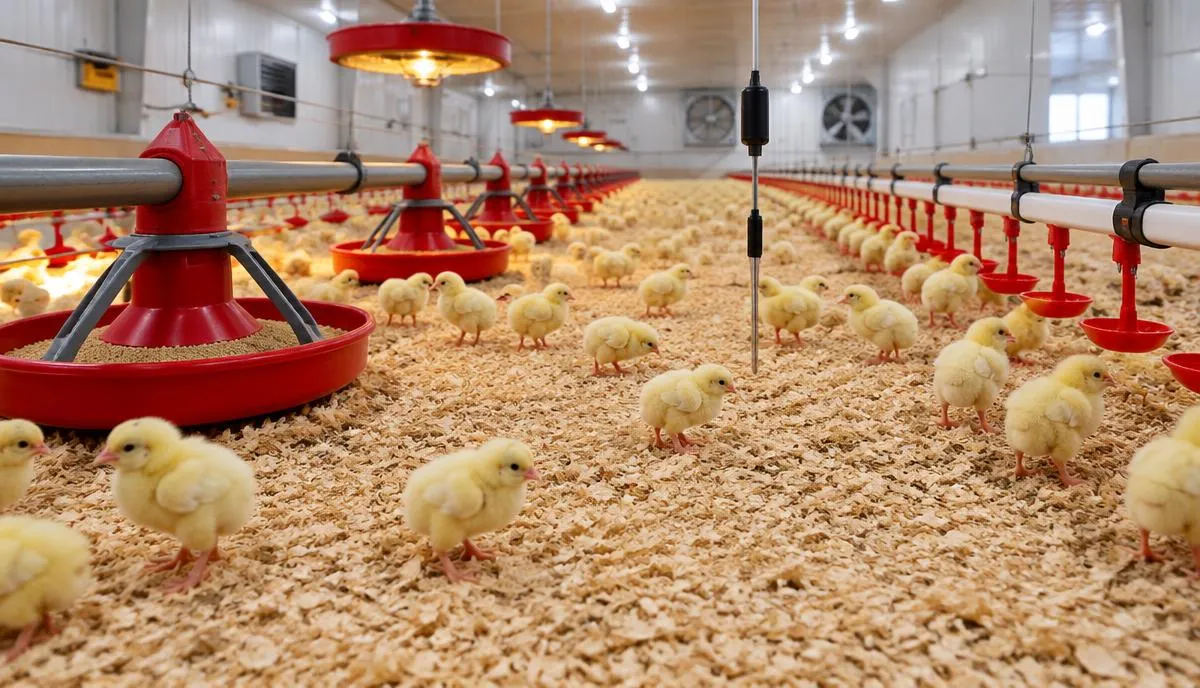
How to improve chick survival and flock uniformity in the first two weeks
Most first-week losses and uneven flocks trace back to a few controllable conditions: a house that was not pre-heated, cold floors, water and feed the chicks cannot reach, overcrowded brooding areas and nobody checking crop fill. Prepare the house before placement, measure temperature at chick height, make water and feed easy to find, and record observations every day so problems are caught while they can still be corrected.
Read the guide →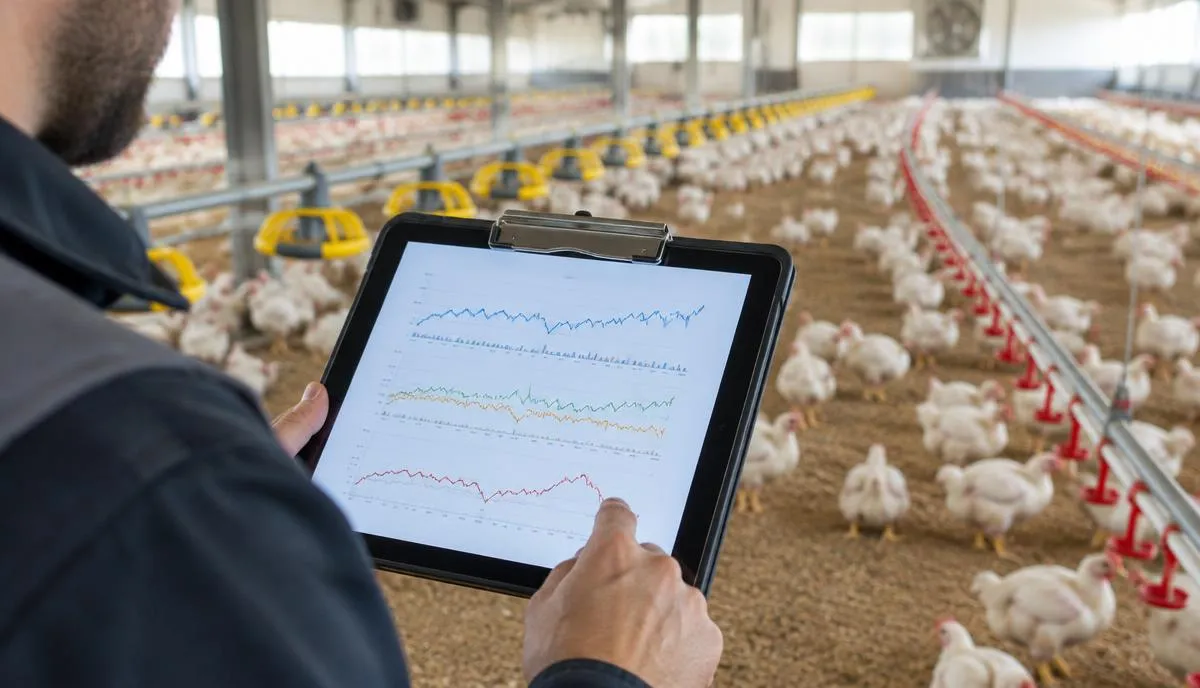
How to improve flock results and feed conversion with feed, water, ventilation and KPI records
Feed conversion ratio (FCR) is the feed used divided by the weight or eggs produced. It improves when birds can eat and drink easily, stay within a comfortable temperature range, breathe clean air and stay healthy. The practical method is to record the same few KPIs every day, compare them with your genetic line's reference and investigate the first measure that moves, before buying new equipment.
Read the guide →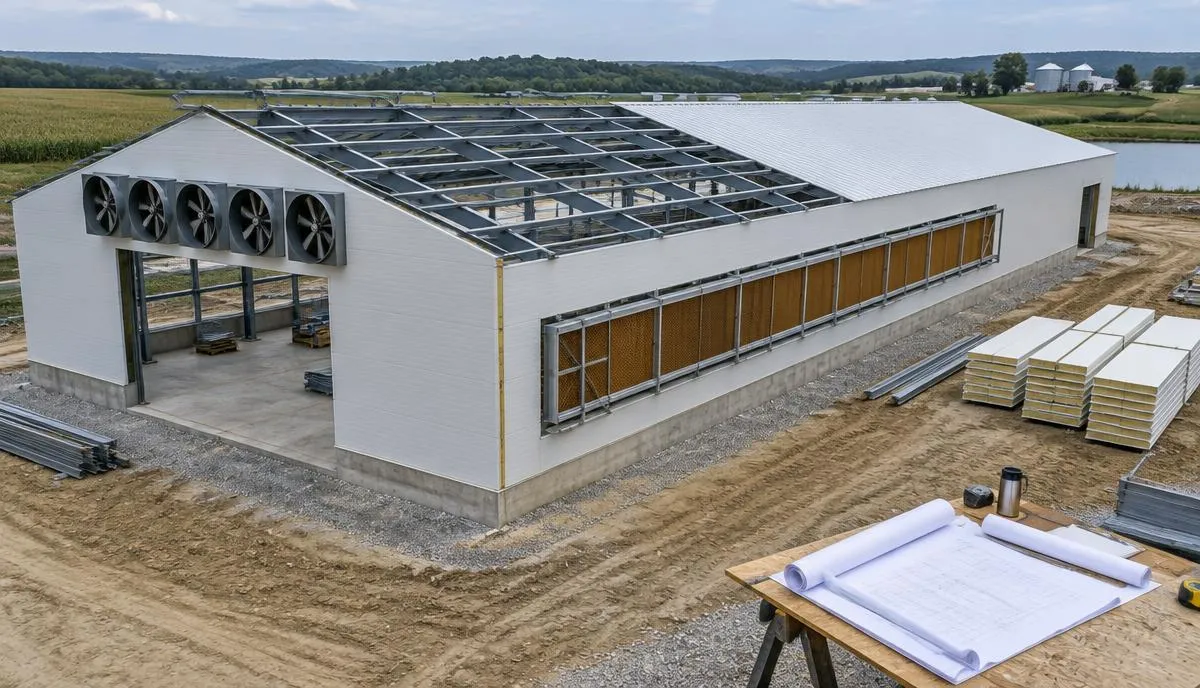
How to plan a poultry house build or expansion: matching systems and writing a URS/RFQ
Start with the outcome: bird type, flock size, production cycle, climate and local rules. Turn those into a User Requirement Specification (URS) — a document that states what the house must achieve, not which brand to buy. Then match the housing, ventilation, cooling, lighting, feeding and drinking systems to that URS and send one structured Request for Quotation (RFQ) so proposals can be compared line by line.
Read the guide →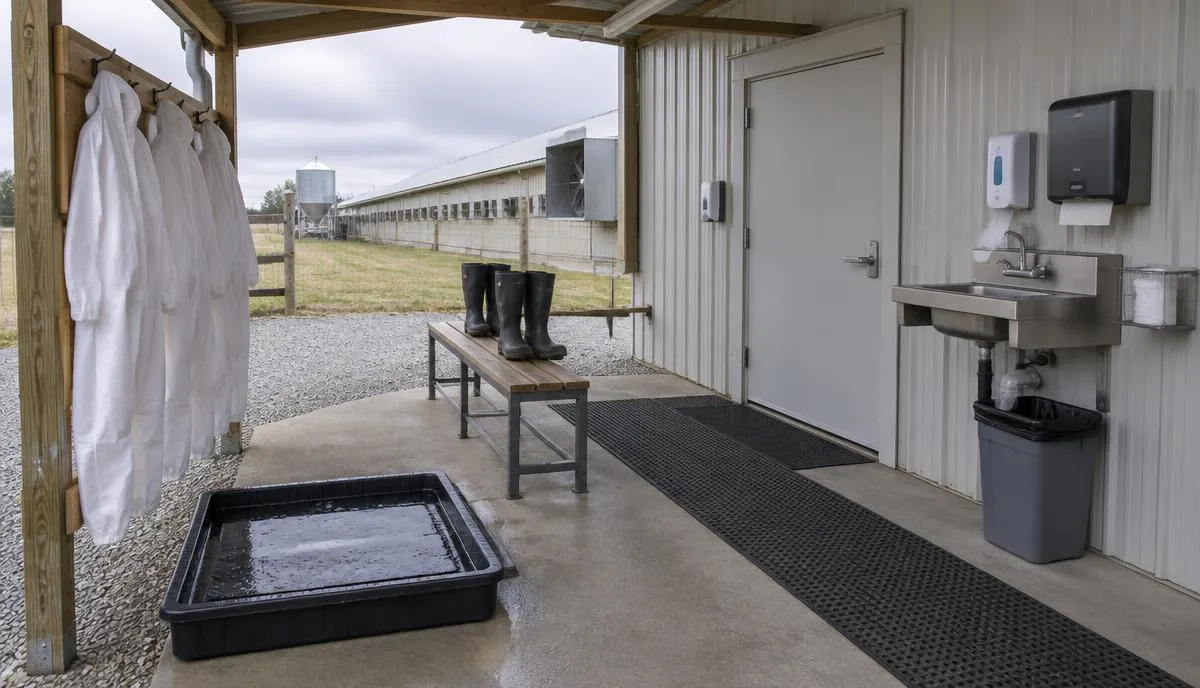
Poultry house biosecurity and disease risk management: prevention, warning signs and who to call
Biosecurity means keeping disease agents out of the farm and from spreading between houses. Define clean and dirty zones, control every entry of people, vehicles, equipment, feed, water and wild birds, and keep daily records. If you see a sudden rise in mortality, a drop in feed or water intake, egg-production changes or respiratory signs, stop movements, isolate the affected house and contact your veterinarian and, where rules require it, the official animal-health authority. Do not diagnose or treat on your own.
Read the guide →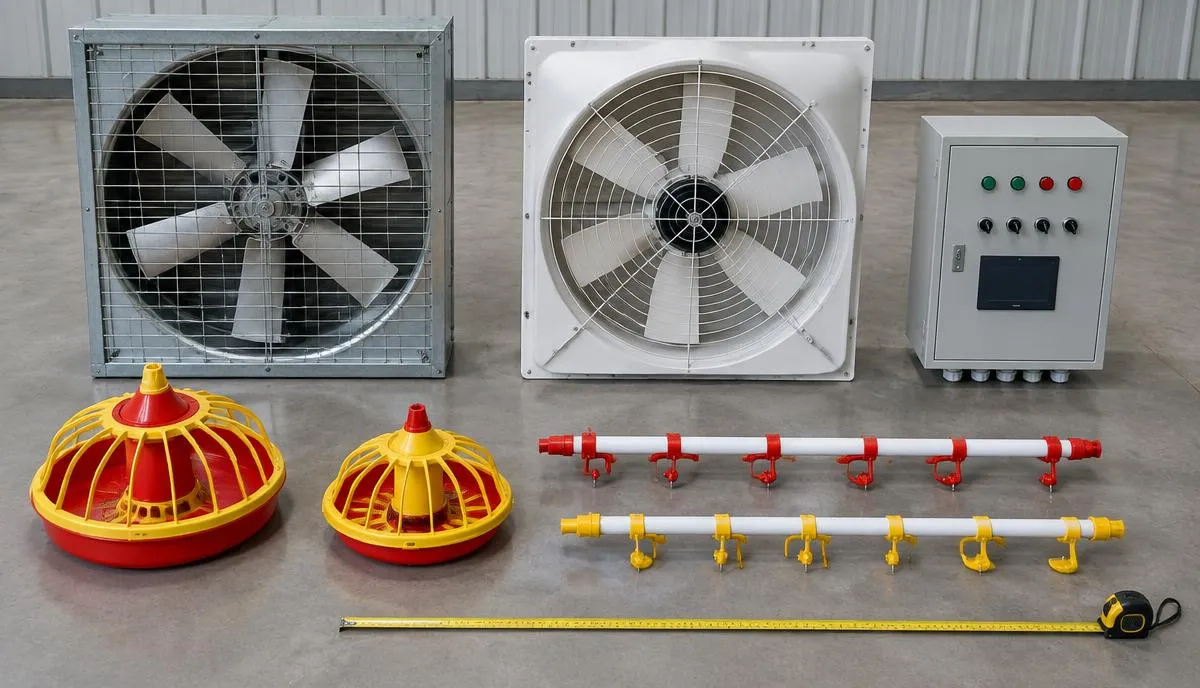
How to compare poultry house equipment and systems: capacity, welfare, energy, service, warranty and total cost
Compare poultry equipment against the same written requirement, not against brochures. Score each proposal on capacity at your conditions, animal-welfare fit, energy use, service and spare parts, warranty terms and total cost of ownership over the equipment's life. Ask suppliers to support every performance claim with test data or references and to list exclusions in writing.
Read the guide →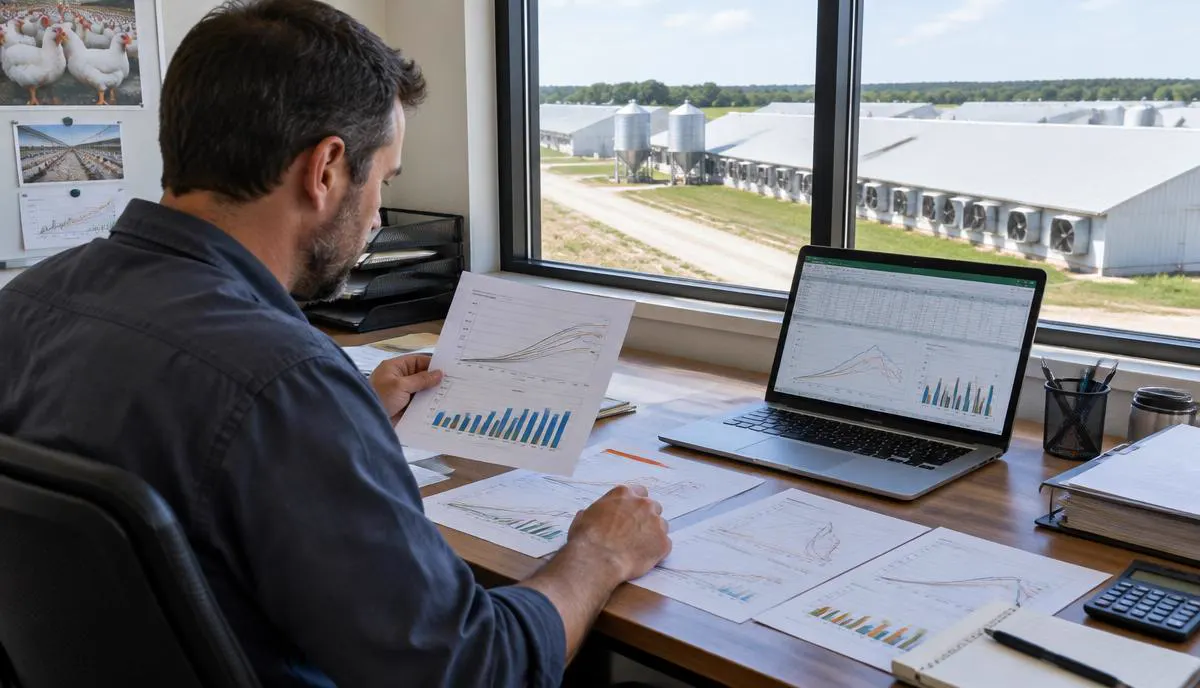
How to analyse several poultry flock cycles: mortality, uniformity, weight, feed, water, FCR, energy and costs
Put at least three to six recent flocks from the same house side by side, using the same definitions for each KPI. Calculate mortality, uniformity, average weight, feed and water per bird, feed conversion ratio (FCR), energy per kg and cost per kg. A problem that repeats in the same house, age window or season points to a system constraint; a problem in one flock only usually points to an event. This baseline is what you later compare an upgrade against.
Read the guide →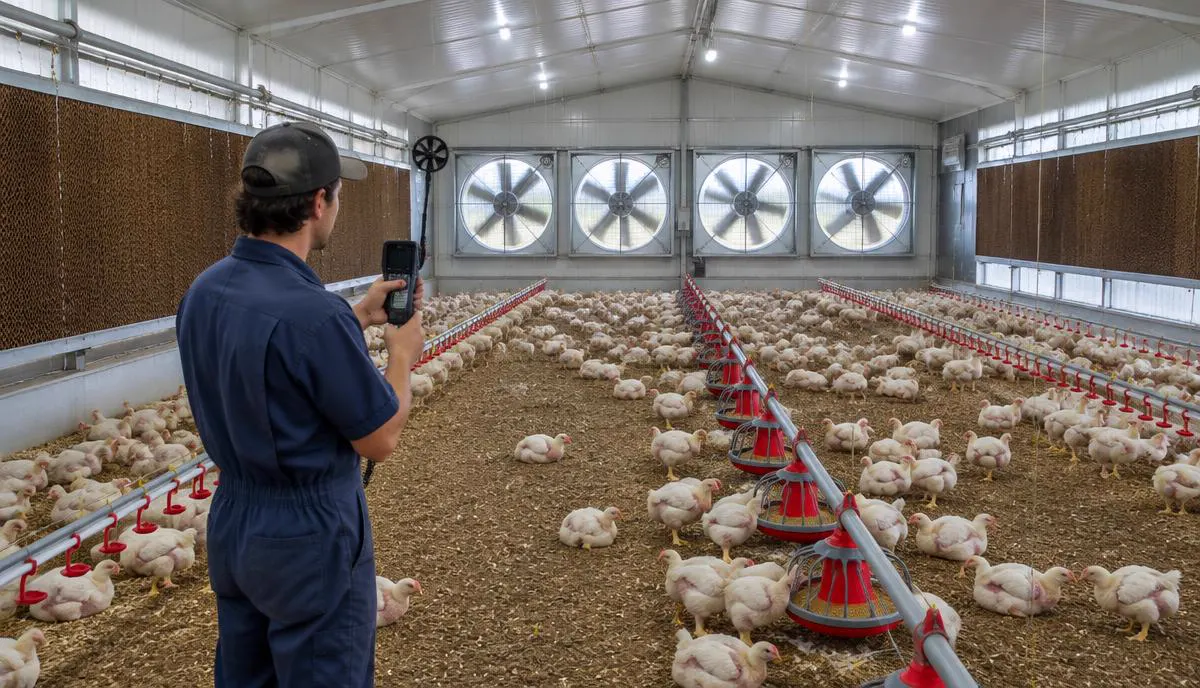
When should you expand poultry houses or capacity, and when should you fix a ventilation, cooling, drinking or feeding bottleneck first?
Expand only when your existing houses already perform consistently close to their own baseline and the limit is the number of birds or houses. If results fall in hot periods, late in the flock or in one house, a system bottleneck (air speed, cooling, water flow, feeder space) is likely; adding birds to a constrained system usually copies the problem. Measure the suspected constraint against its design capacity, estimate the cost of fixing it, and compare that with the full cost of expansion.
Read the guide →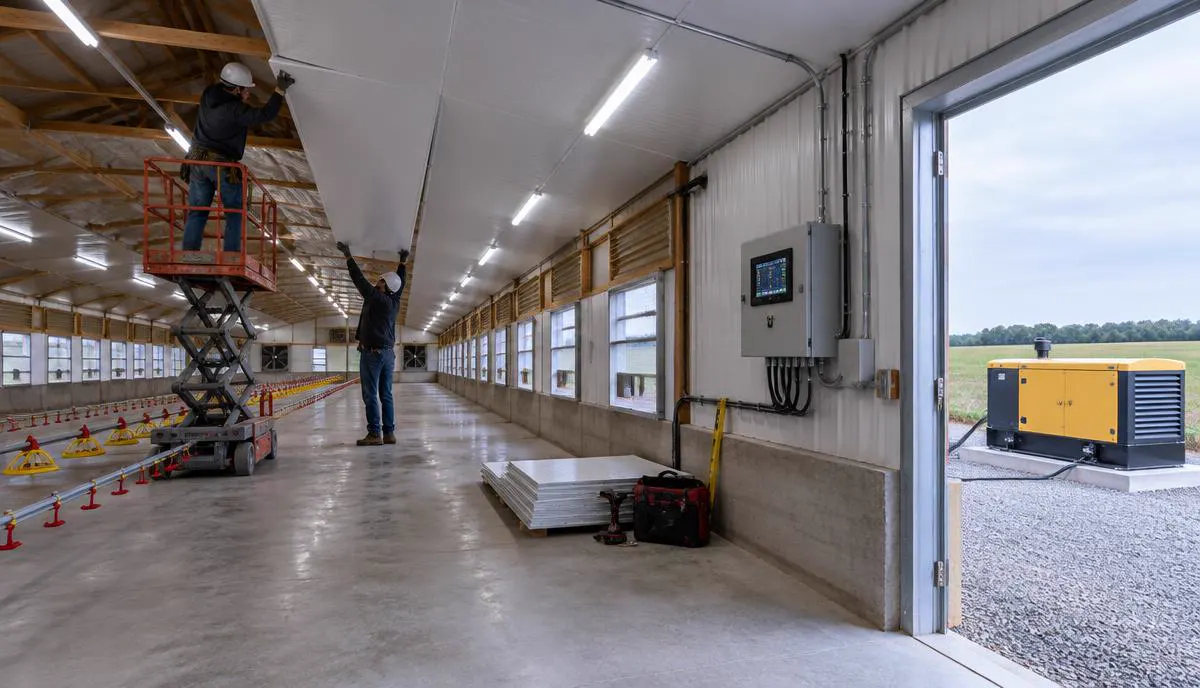
How to upgrade an older poultry house in phases: insulation, climate systems, controls, lighting and backup power
Start with a condition survey and your flock baseline, then order the work so each phase supports the next: first the building envelope (insulation, air tightness), then ventilation, heating and cooling, then controls and alarms, then lighting, with backup power checked at every stage. Fit each phase into planned downtime between flocks and measure the same KPIs before and after. Phasing spreads cost and risk but does not guarantee a result; agree acceptance tests with each supplier.
Read the guide →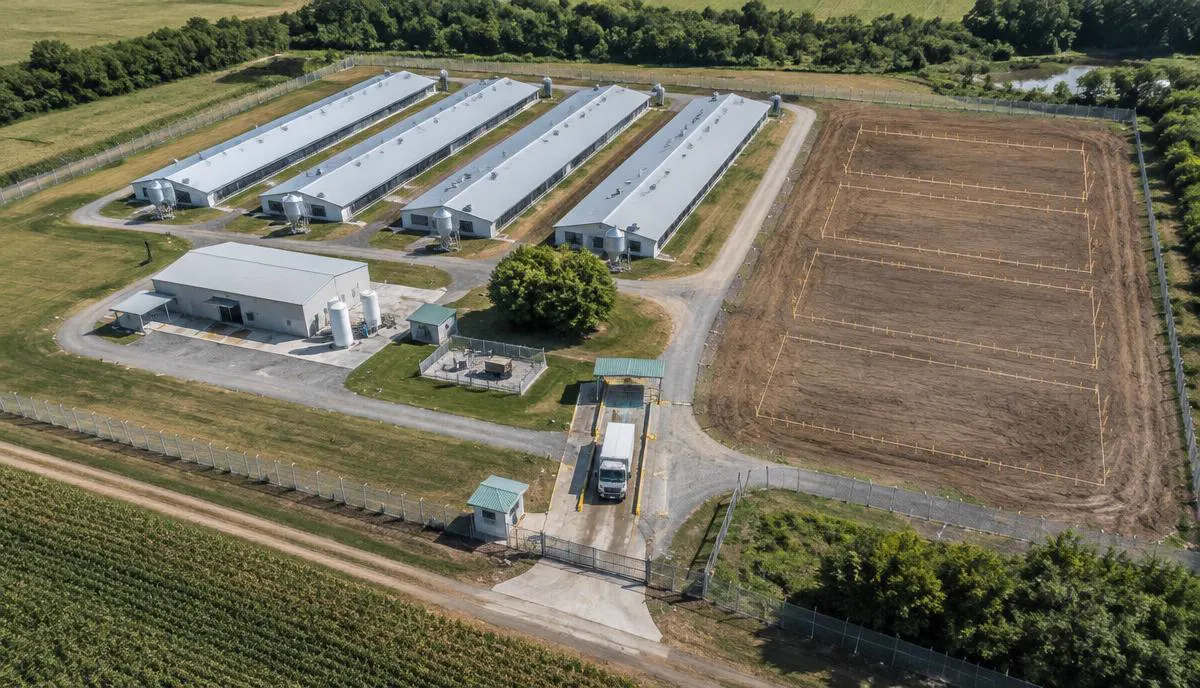
How to plan a poultry farm, house or hatchery expansion: infrastructure, biosecurity, welfare, staffing and total cost
An expansion succeeds or fails on the whole site, not only on the new house. Check first whether water, power, feed delivery, roads, manure handling and staff can carry the extra load, then design biosecurity zones and traffic so the new unit does not weaken the existing one. Set bird-welfare and space requirements from the rules that apply to you, and compare total cost of ownership over the planned life, not only the purchase price. For hatcheries, chick output must match the placement plan.
Read the guide →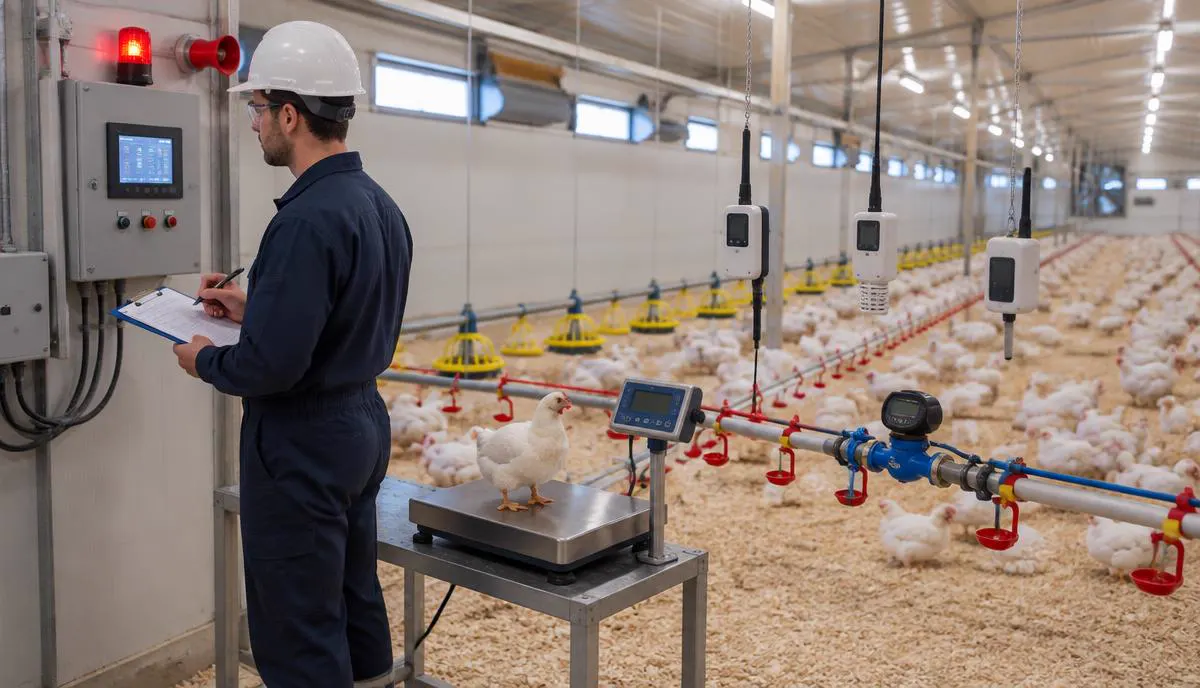
How to build a before-and-after measurement plan for a poultry upgrade: baseline, KPIs, commissioning and maintenance
Decide what you will measure before you sign an order. Record a baseline from several comparable flocks, choose a few KPIs linked to the constraint the upgrade addresses, write commissioning and acceptance tests into the contract, then compare the same KPIs over several flocks after the upgrade under similar conditions. Keep maintenance records from day one, because a poorly maintained system can hide the effect. Any change you see is evidence to interpret, not a guaranteed return.
Read the guide →