
Broiler Equipment Sourcing: How to Run an RFQ Round That Produces Comparable Offers
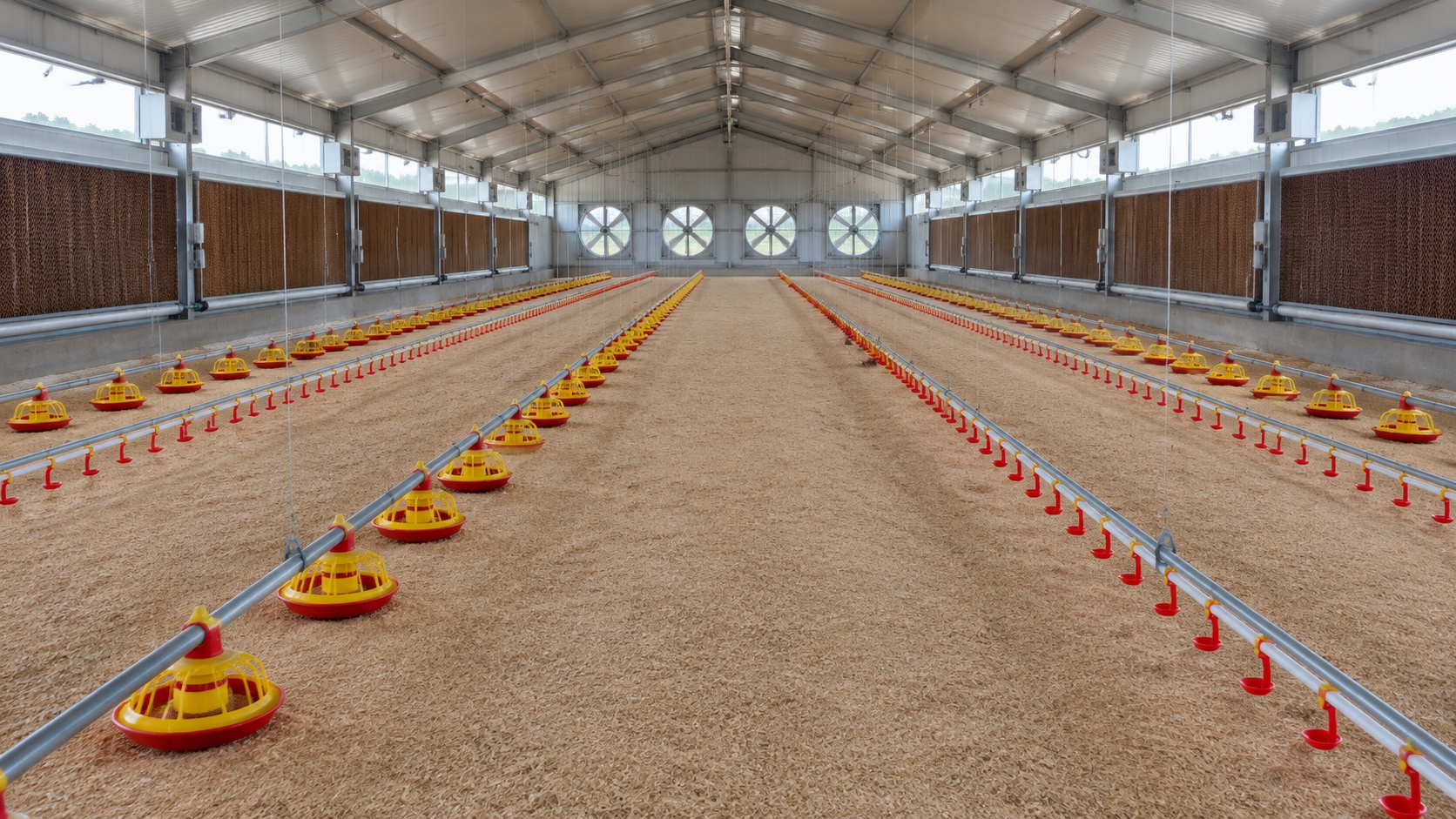
For buyers sourcing broiler house equipment: the specification lines that make supplier offers comparable, the RFQ checklist and the comparison mistakes that cost the most.
By HatchMatch Group Editorial Desk · Last updated 2026-11-22
In short
Short answer: broiler equipment sourcing works when every supplier quotes the same project. Fix bird capacity, house dimensions, climate data, system scope, installation responsibility and delivery terms in one RFQ, then compare itemised, landed and installed offers rather than headline prices.
Key takeaways
- Buyers and consultants sourcing feeding, drinking, ventilation, heating and control systems for a commercial broiler project.
- Bird capacity per house at final density (kg/m²): it drives feeder pan count, nipple count and fan capacity, the three biggest quote variables.
- Supply only, supply plus supervision, or turnkey.
- Capacity, house count and density; house dimensions and construction type; climate data and altitude; power availability and backup; feeding, drinking, ventilation, heating and controls scope; installation and commissioning responsibility; Incoterm, destination port and clearance responsibility; spare parts and warranty; budget band and funding status; required delivery window.
- Line up equipment scope, exclusions, lead time, freight, installation, spare parts and payment terms side by side.
Short answer: broiler equipment sourcing works when every supplier quotes the same project. Fix bird capacity, house dimensions, climate data, system scope, installation responsibility and delivery terms in one RFQ, then compare itemised, landed and installed offers rather than headline prices.
Who this post is for
Buyers and consultants sourcing feeding, drinking, ventilation, heating and control systems for a commercial broiler project.
What to specify
- Bird capacity per house at final density (kg/m²): it drives feeder pan count, nipple count and fan capacity, the three biggest quote variables.
- House dimensions: length, width and eave height set line count and tunnel cross-section.
- Design temperature and humidity: decide pad cooling or fogging, and heating needs.
- Feeding: pan type, pans per line and silo tonnage.
- Drinking: nipples per bird, flow rate by age and regulator type.
- Ventilation: total airflow, fan count and inlet count, so tunnel capacity can be checked rather than trusted.
Want these figures for your own site, capacity and country? A HatchMatch specialist builds the budget with you — no buyer fees.
Start freeSet the scope boundary
Supply only, supply plus supervision, or turnkey. A different scope boundary is the single most common reason two broiler equipment quotes look different. State who installs, who commissions and who trains operators.
RFQ checklist
Capacity, house count and density; house dimensions and construction type; climate data and altitude; power availability and backup; feeding, drinking, ventilation, heating and controls scope; installation and commissioning responsibility; Incoterm, destination port and clearance responsibility; spare parts and warranty; budget band and funding status; required delivery window.
How to compare offers
Line up equipment scope, exclusions, lead time, freight, installation, spare parts and payment terms side by side. Compare landed, installed cost and service access, not ex-works price. Ask suppliers to separate alternatives from the base offer.
How HatchMatch helps
HatchMatch structures your requirements into an RFQ, contacts suitable independent suppliers on your behalf and helps you compare their proposals. You do not contact suppliers directly, and we do not guarantee how many offers you will receive. See broiler equipment sourcing and the broiler equipment cost guide.
Next step
Submit a project request. Every brief gets human review, and HatchMatch aims to reply within two business days.
From this article to a procurement-ready RFQ
HatchMatch Group is an independent sourcing desk — not a manufacturer or EPC contractor. These are the four steps we actually use with commercial poultry and hatchery buyers. If you are still deciding scope, start with what commercial poultry equipment includes and how suppliers are compared.
- 1. Plan the projectCapacity, climate and house layout in one guided workflowOpen
- 2. Build the RFQScope, specifications and comparable line itemsOpen
- 3. Submit the requestReviewed manually before HatchMatch contacts any supplier on the buyer's behalfOpen
- 4. Track and compareFollow status and normalise supplier responsesOpen
Prefer the numbers first? Start with the poultry project cost calculator or browse the project planning guides.
HatchMatch Intelligence · Email updates
Get poultry sourcing and project updates by email
A short digest of newly published HatchMatch articles, guides and center updates on the topics you choose — with links to the full pieces.