
How to Verify a Poultry Equipment Supplier's Reference Projects and Case Studies
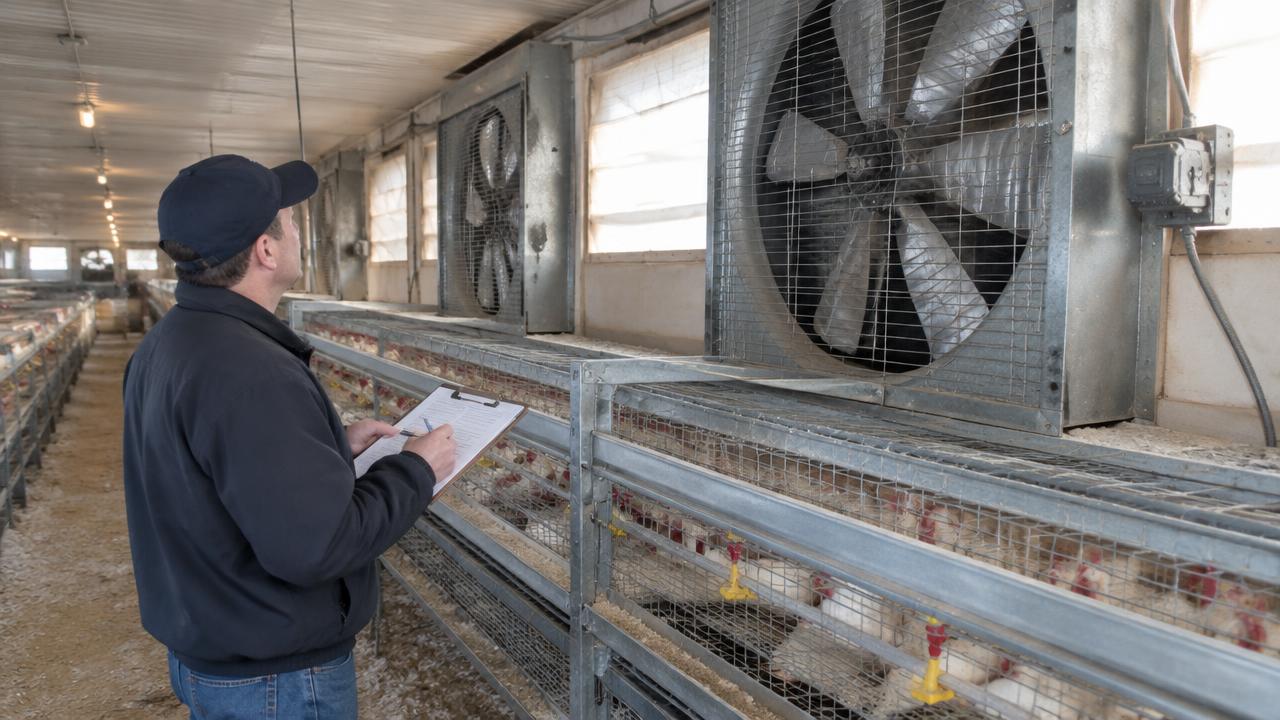
A practical checklist for checking supplier case studies and reference farms: what to ask for, how to contact references, what a site visit should show, and warning signs.
By HatchMatch Group Sourcing Desk · Last updated 2026-10-11
In short
Short answer. Treat a supplier's case study as a claim to check, not as proof. Ask for references similar to your project in size, bird type and climate; speak to the operator directly, without the supplier present; visit a working site if you can; and check what exactly the supplier delivered there.
Key takeaways
- | Ask for | Why | |---|---| | 2–3 references similar to your project (capacity, bird type, climate, automation level) | A small open house tells you little about a large closed one | | Year of installation and current operating status | Shows how the equipment has aged | | The supplier's exact scope on that project | Equipment only, installation, or full turnkey?
- Call the operator, not the supplier's local agent.
- Corrosion on cages, fans and fittings; the controller and alarm system in use; spare parts on site; even airflow and temperature across the house; and how staff handle routine maintenance.
- References only in other countries or climates than yours.
- Company registration and years trading; export history to your country; certificates such as ISO 9001 or CE marking, checked with the issuing body rather than accepted as a PDF; and the warranty and spare parts terms in writing — see warranty, spare parts and after-sales.
Short answer. Treat a supplier's case study as a claim to check, not as proof. Ask for references similar to your project in size, bird type and climate; speak to the operator directly, without the supplier present; visit a working site if you can; and check what exactly the supplier delivered there. Photos and country lists alone show little.
This guide is for buyers shortlisting poultry or hatchery equipment suppliers or turnkey contractors. HatchMatch does not verify or endorse supplier references; this is the check buyers should run themselves.
What to ask the supplier for
| Ask for | Why |
|---|---|
| 2–3 references similar to your project (capacity, bird type, climate, automation level) | A small open house tells you little about a large closed one |
| Year of installation and current operating status | Shows how the equipment has aged |
| The supplier's exact scope on that project | Equipment only, installation, or full turnkey? |
| An operator contact you may call directly | The supplier's own summary is not a reference |
| Permission to visit | A working site shows what photos cannot |
How to talk to a reference
Want these figures for your own site, capacity and country? A HatchMatch specialist builds the budget with you — no buyer fees.
Start freeCall the operator, not the supplier's local agent. Ask: Was the project delivered on time and to the agreed scope? What failed in the first year, and how fast was it fixed? Are spare parts available locally, and at what lead time? Did commissioning and training meet the contract? Would you buy from them again? Did the equipment reach the performance stated in the contract?
What a site visit should show
Corrosion on cages, fans and fittings; the controller and alarm system in use; spare parts on site; even airflow and temperature across the house; and how staff handle routine maintenance. Bring your own questions list and, if possible, your farm manager.
Warning signs
References only in other countries or climates than yours. No operator contact, only photos or videos. Projects shown on several suppliers' sites at once (ask who supplied what). Unwillingness to put the scope delivered on each reference in writing. Performance figures with no stated baseline — ask how they were measured. For checking ROI and payback claims, see how to compare turnkey proposals.
Other checks
Company registration and years trading; export history to your country; certificates such as ISO 9001 or CE marking, checked with the issuing body rather than accepted as a PDF; and the warranty and spare parts terms in writing — see warranty, spare parts and after-sales.
Where HatchMatch fits
HatchMatch is a supplier-neutral procurement platform for commercial poultry and hatchery projects, typically USD 250,000 and above. It is not a manufacturer, installer, contractor or lender, and it does not sign supply contracts — buyers contract with suppliers directly. Every brief receives human review, and HatchMatch aims to reply within two business days; supplier participation and response times vary. HatchMatch helps buyers ask every shortlisted supplier for the same reference information so answers can be compared. See manufacturer vs broker, submit a poultry project request or build a structured RFQ.
Sources
ISO, ISO 9001 quality management and how to check certification — iso.org. European Commission, CE marking guidance — single-market-economy.ec.europa.eu. International Trade Centre, guidance on supplier due diligence for importers — intracen.org.
FAQ
How many references should I check? At least two or three projects similar to yours in size, bird type and climate, with at least one operator you speak to directly.
Are case studies on supplier websites reliable? They are marketing. Some are accurate, but they rarely state the supplier's exact scope or current performance. Verify with the operator.
Should I visit a reference farm? If you can, yes. A working house shows corrosion, airflow, controls and maintenance in a way photos cannot. Respect the farm's biosecurity rules.
How do I check a certificate? Ask for the certificate number and confirm it with the issuing certification body.
Frequently asked questions
- How many references should I check?
- At least two or three projects similar to yours in size, bird type and climate, with at least one operator you speak to directly.
- Are case studies on supplier websites reliable?
- They are marketing. Some are accurate, but they rarely state the supplier's exact scope or current performance. Verify with the operator.
- Should I visit a reference farm?
- If you can, yes. A working house shows corrosion, airflow, controls and maintenance in a way photos cannot. Respect the farm's biosecurity rules.
- How do I check a certificate?
- Ask for the certificate number and confirm it with the issuing certification body.
More buyer questions are answered in our poultry procurement FAQ — also available in Español, Français, Português, Deutsch, العربية, Русский, Türkçe, Tiếng Việt.
From this article to a procurement-ready RFQ
HatchMatch Group is an independent sourcing desk — not a manufacturer or EPC contractor. These are the four steps we actually use with commercial poultry and hatchery buyers. If you are still deciding scope, start with what commercial poultry equipment includes and how suppliers are compared.
- 1. Plan the projectCapacity, climate and house layout in one guided workflowOpen
- 2. Build the RFQScope, specifications and comparable line itemsOpen
- 3. Submit the requestReviewed manually before any supplier introductionOpen
- 4. Track and compareFollow status and normalise supplier responsesOpen
Prefer the numbers first? Start with the poultry project cost calculator or browse the project planning guides.