
From Farm Procurement to Market: A Practical Sourcing Framework for Commercial Poultry, Hatchery and Egg Buyers

A seven-step framework for commercial poultry buyers: write a precise brief, compare suppliers on evidence, judge technology on whole-life cost, negotiate against the brief, check financing early and plan how the output will be sold.
By HatchMatch Group Sourcing Desk · Last updated 2026-10-22
In short
Short answer: a structured sourcing process helps commercial poultry, hatchery and egg buyers reach a result that fits their project because every supplier answers the same written brief. Turn the need into a precise RFQ, compare producers and manufacturers on evidence rather than brochures, judge technology on whole-life cost, negotiate against the brief and market evidence, check financing options early, and plan how the output will be sold before equipment is ordered. A sourcing platform is one way to run that process; it is never legally required, and you still verify suppliers, contracts and permits yourself.
Key takeaways
- A structured process is most useful when the purchase is large, technical or cross-border: several suppliers could quote, scopes differ, interfaces between packages matter, and mistakes are expensive to undo.
- Suppliers can only quote what you write down.
- The aim is not the longest supplier list but the right short list.
- New controllers, sensors, automation, energy systems and data platforms can improve consistency and labour use, but only if they suit your operation.
- Financing can help a buyer complete or expand a project, but it depends on the lender or partner, their due diligence, your eligibility and their approval.
Short answer: a structured sourcing process helps commercial poultry, hatchery and egg buyers reach a result that fits their project because every supplier answers the same written brief. Turn the need into a precise RFQ, compare producers and manufacturers on evidence rather than brochures, judge technology on whole-life cost, negotiate against the brief and market evidence, check financing options early, and plan how the output will be sold before equipment is ordered. A sourcing platform is one way to run that process; it is never legally required, and you still verify suppliers, contracts and permits yourself.
Who this is for: farm owners, integrators, investors and procurement teams buying broiler, layer, breeder or hatchery projects, equipment, or products such as day-old chicks, hatching eggs, table eggs and chicken. HatchMatch is a buyer-first sourcing and procurement intermediary for poultry: it is not a manufacturer, producer, contractor, lender, certifier, lawyer or regulator, and its buyer tools and sourcing service are free for buyers.
When a structured sourcing process helps — and when it does not
A structured process is most useful when the purchase is large, technical or cross-border: several suppliers could quote, scopes differ, interfaces between packages matter, and mistakes are expensive to undo. It adds less when you are re-ordering a standard part from a supplier you already trust, or when only one qualified source exists. Whether you run it in-house, with a consultant or through a platform, the steps below are the same.
The procurement workflow at a glance
Want these figures for your own site, capacity and country? A HatchMatch specialist builds the budget with you — no buyer fees.
Start free| Step | What you decide | Output you keep | Useful tool |
|---|---|---|---|
| 1. Brief | Product, volume, timing, destination, quality, documents, budget assumptions | Written project brief / RFQ | RFQ checklist |
| 2. Supplier fit | Who can credibly deliver this scope | Long list and short list with evidence | Supplier directory |
| 3. Technology | Which solution fits operations and support | Whole-life cost comparison | Total cost of ownership |
| 4. Quotes | Which offer fits the brief and the market evidence | Like-for-like comparison and negotiation record | Bid comparison tool |
| 5. Financing | Whether and how the project could be funded | Readiness file for lenders or partners | Financing readiness |
| 6. Output | How eggs, chicks or chicken will be specified, moved and sold | Output specification and route-to-market plan | Poultry and egg sourcing |
| 7. Next step | Who runs the process and on what terms | Submitted brief | Project request form |
1. Turn the need into a precise brief or RFQ
Suppliers can only quote what you write down. A precise brief is the single biggest lever on the quality of proposals, because it makes them comparable. Include:
- Specification: what you are buying — house systems, hatchery equipment, processing or egg-handling lines, or a product such as hatching eggs or chilled chicken — with the performance basis you need.
- Volumes and capacity: birds placed, eggs set or packed, or tonnes per week, including the peak week.
- Timing: when you need delivery, installation, commissioning or first shipment, and which dates are fixed.
- Destination: site location or delivery port, Incoterm and who handles import clearance.
- Quality: grades, product standards, acceptance tests and what happens if a test fails.
- Documents and certifications required: for example veterinary health certificates, establishment listings, CE or other conformity marking, or food-safety certification — stated as requirements to be evidenced, not assumed.
- Delivery and service: installation supervision, training, spare parts and warranty expectations.
- Budget assumptions: the budget basis you are working to and what it includes. Estimate it with the farm cost calculator rather than with supplier brochures.
For a farm or hatchery project, size the whole chain first — hatchery, houses and processing or packing must run on the same rhythm. The farm and hatchery procurement guide walks through that arithmetic.
2. Identify and compare suppliers against your actual requirements
The aim is not the longest supplier list but the right short list. Compare commercial poultry suppliers — manufacturers, turnkey contractors, hatcheries, producers and service providers — against the brief, and record the evidence behind each judgement.
### What to ask for as evidence
- Capacity: production or installation capacity for your scope and timeline, and what else is already booked.
- References: comparable projects or supply contracts you can contact, in a similar climate or market.
- Documents: company registration, product certificates, test reports and, for animals or food, the establishment approvals the destination requires. Ask for copies and check them with the issuing body where you can.
- Service footprint: who installs, commissions and services the equipment in your country, and how spare parts reach you.
- Commercial terms: payment milestones, guarantees offered, warranty scope and exclusions.
### How to read that evidence
Label every figure as a supplier statement until you have verified it. A listing in a directory — including the HatchMatch supplier directory — is a research starting point, not an independent certification, audit or endorsement. Self-declared certifications, hatch rates, feed conversion or ROI figures are claims to check, not results to rely on. Before anything is published or a request moves to supplier contact, HatchMatch screens the trade lane; see regulation and restricted items for what that covers and what you must still confirm with the authorities.
### Risks worth scoring
Score delivery risk (lead times, shipping route), interface risk (what falls between packages), service risk (distance to support), documentation risk (missing certificates for your market) and counterparty risk (financial standing, payment terms). A simple weighted scorecard agreed before quotes arrive keeps the comparison honest.
3. Evaluate innovative technologies on fit and whole-life cost
New controllers, sensors, automation, energy systems and data platforms can improve consistency and labour use, but only if they suit your operation. Judge them on:
- Total cost of ownership: purchase price plus installation, energy, consumables, spare parts, software licences, maintenance and expected service life — compare with the total cost of ownership guide.
- Implementation: what has to change in the building, power supply, network and daily routines, and how long commissioning takes.
- Support: local service, remote support hours, software updates and what happens if the vendor stops supporting a product.
- Operational fit: whether your team can run it, whether it integrates with existing equipment, and whether data stays accessible to you.
- Evidence: independent trials or reference sites in similar conditions, not demonstration figures alone.
The innovation center and technology comparisons set out questions to ask for each technology area.
4. Compare quotations and negotiate against the brief
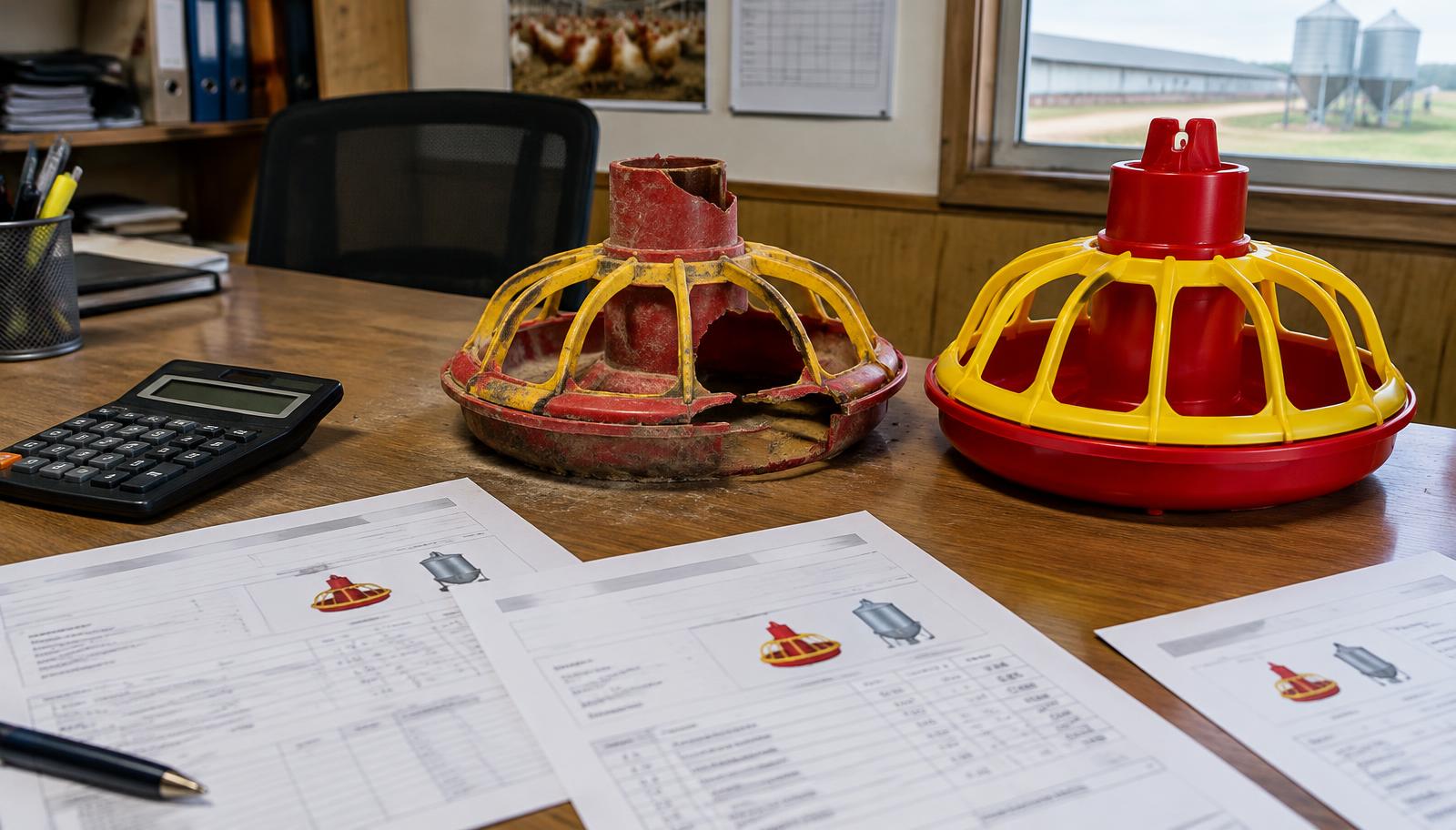
Put every offer on the same basis before you look at price: same scope, same Incoterm, same currency and validity date, same warranty and service assumptions. Then:
- Normalise scope: list what each offer includes, excludes or prices as an option, and price the gaps.
- Check against market evidence: compare with other offers for the same scope and, where available, published price indices or recent comparable purchases — not with a single quote.
- Negotiate on more than price: payment milestones, delivery dates, spare-parts packages, training, warranty length and acceptance tests are often easier to improve than the unit price.
- Record the reasons: keep a short note of why each offer was accepted or rejected, for your board, lender or auditor.
Use the bid comparison tool to score offers. A structured process aims for a price that fits the brief and the evidence; no process can promise the lowest price or a guaranteed saving.
5. Explore financing options early
Financing can help a buyer complete or expand a project, but it depends on the lender or partner, their due diligence, your eligibility and their approval. Prepare early, because lenders usually expect the same documents a good brief already contains: scope, budget basis, supplier quotations, timeline, site permits and an operating plan.
- Check readiness with the financing readiness checklist and the poultry financing center.
- Typical structures include bank loans, equipment leasing, supplier or export-credit-backed finance and development-finance programmes; availability varies by country, lender and project.
- Keep supplier choice and financing decisions separate in your records, so the best-fit offer is not chosen only because it comes with finance.
HatchMatch does not lend, arrange credit or guarantee financing. Where a buyer asks, it can help organise project documents; any financing remains subject to the lender's or partner's availability, due diligence, eligibility criteria and approval.
6. Plan what happens after production
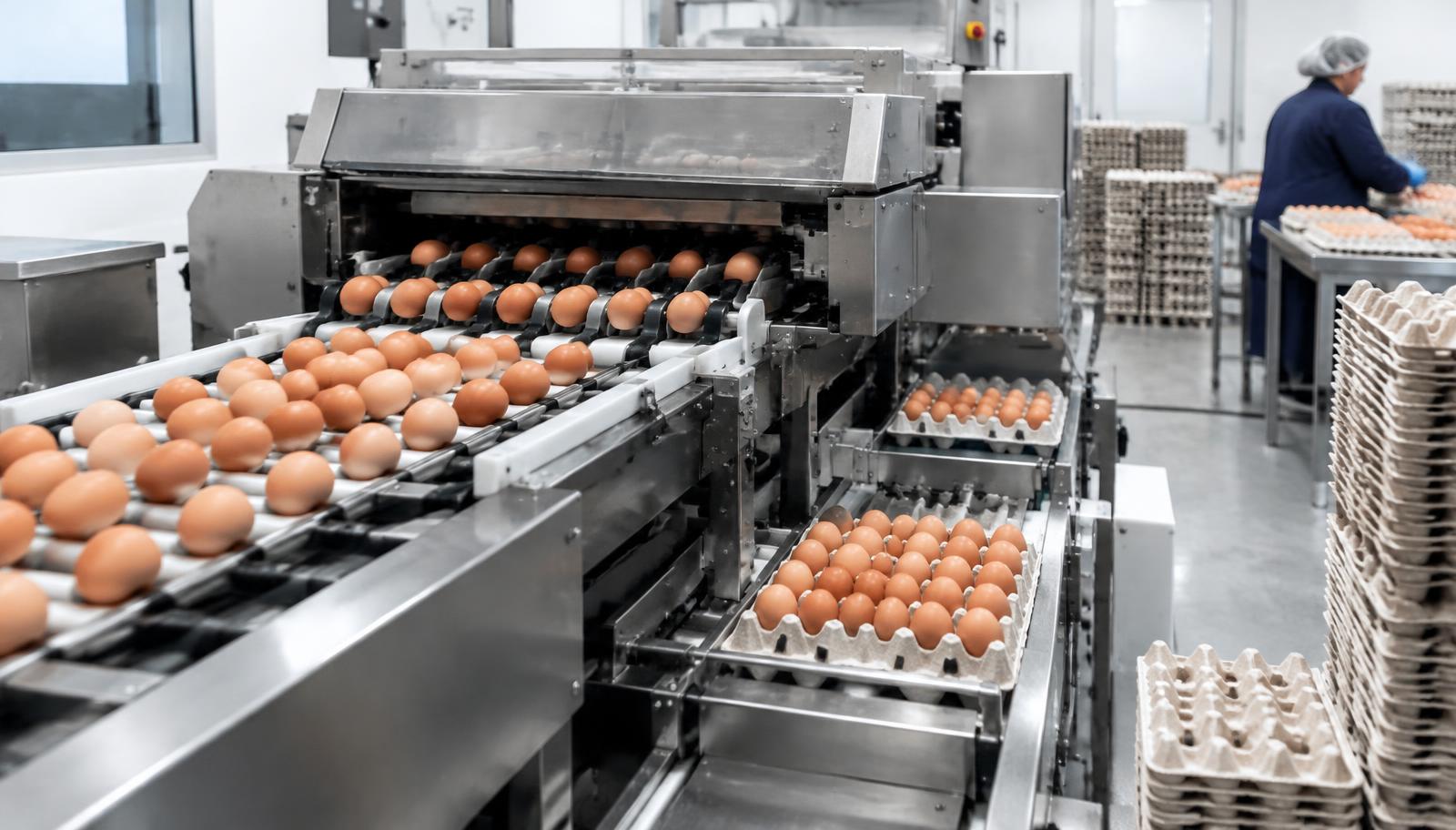
A farm or hatchery is only as good as the market for what it produces. Decide before you buy equipment:
- Quality specifications: egg grades and weights, chick quality criteria, carcass or cut specifications your buyers expect.
- Traceability: flock, batch and lot records from placement to dispatch, and who keeps them.
- Packaging and labelling: pack formats, labels and language requirements for each destination.
- Cold chain and logistics: cold-room capacity, temperature records, transport time to customers or the port.
- Documentation: exports of animals and animal products generally need veterinary certificates issued by the exporting country's authority; the international model is set out in WOAH Terrestrial Code chapter 5.10, and importing markets such as the EU publish their own entry conditions per commodity. Food standards are set out by Codex Alimentarius.
- Buyer requirements: audits, certifications or supplier-approval steps your target customers apply.
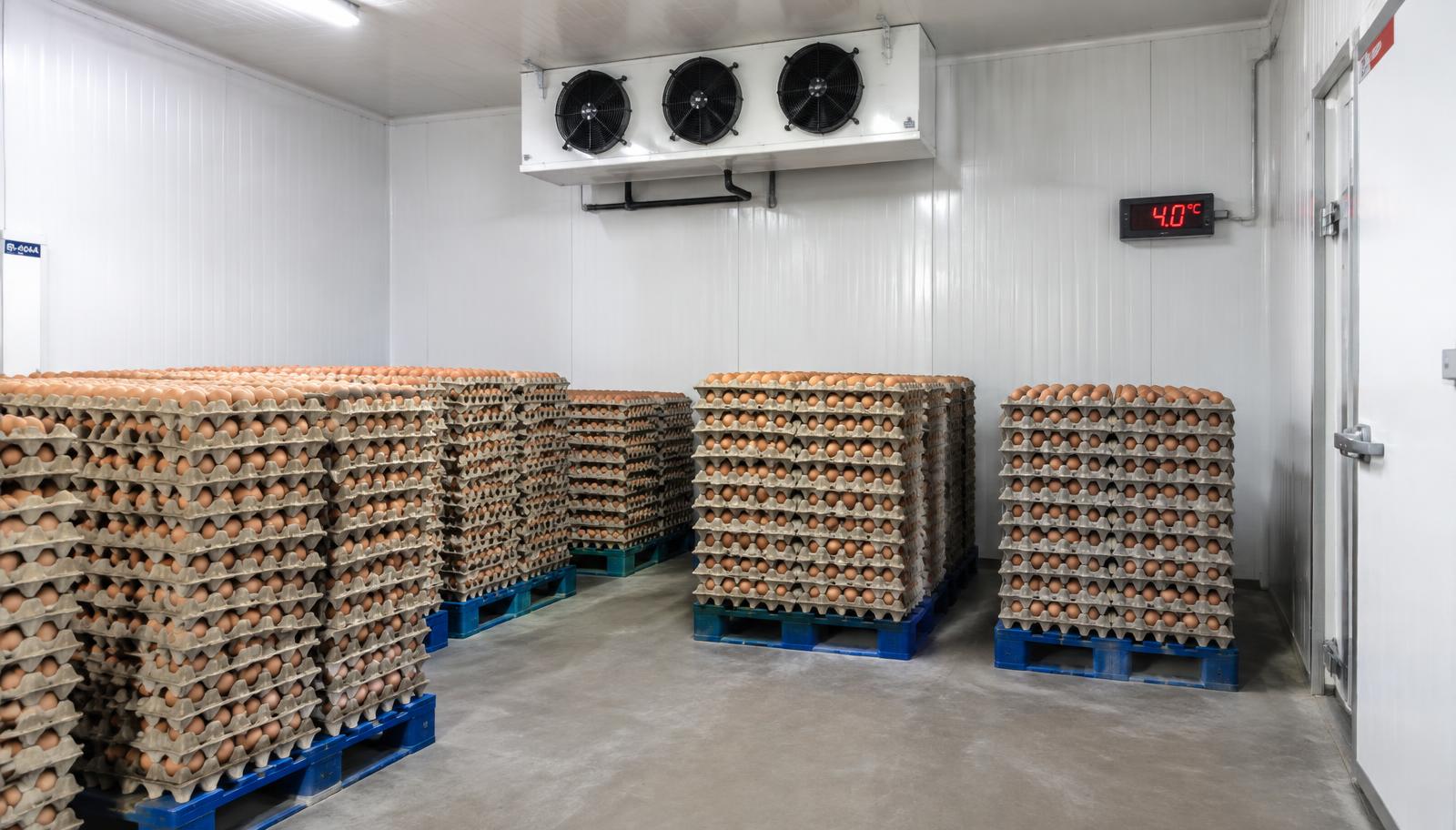
Routes to market depend on product, volume and destination. Buyers of chicks, hatching eggs, eggs or chicken can send a product request through poultry and egg sourcing. Producers with qualifying output can describe it through the producer portal, where managed opportunities start at USD 250,000. For larger agricultural and food commodity trades, the group's parent marketplace, Global B2B Group produce sourcing, may be relevant. None of these routes promises a sale, a buyer, a price, export clearance or acceptance by a market; each depends on review, documents and the counterparty's own checks.
7. Use HatchMatch as a practical next step
If you want help running this process, send your project brief through the project request form. Every brief is reviewed by a person before any supplier is contacted, and HatchMatch aims to reply within two business days; supplier response times vary.
- Infrastructure and equipment projects: assisted sourcing is for projects of USD 250,000 or more, and it is free for buyers.
- Product requests (chicks, hatching eggs, eggs, chicken): assessed on specification, volume, destination and logistics rather than project value.
- How contact works: HatchMatch contacts suitable suppliers on your behalf and presents the responses; it does not share your contact details with suppliers, and there is no direct buyer-to-supplier messaging.
- What it does not do: it does not promise prices, savings, delivery dates, financing, approvals or results. You decide whether and with whom to contract.
See how it works or the turnkey project route for more detail.
Common mistakes
- Requesting quotes before volumes, timing, destination and documents are written down.
- Treating a directory listing or a self-declared certificate as independent verification.
- Comparing offers with different scopes, Incoterms or warranty terms.
- Choosing technology on demonstration figures without checking support and whole-life cost.
- Negotiating only the unit price and ignoring payment, delivery and acceptance terms.
- Leaving financing until supplier quotes have expired.
- Buying production capacity before the output specification, cold chain and route to market are clear.
On-page RFQ checklist
Use this list on screen, or open the printable poultry RFQ checklist and RFQ template.
| Section | Include | Done when |
|---|---|---|
| Scope and specification | Systems or product, performance basis | Every line can be priced |
| Volumes | Weekly volume and peak week | Calculator results attached |
| Timing | Delivery, installation, first shipment | Fixed and flexible dates marked |
| Destination | Site or port, Incoterm, import responsibility | Named in writing |
| Quality | Grades, standards, acceptance tests | Pass/fail criteria written |
| Documents | Certificates, approvals, conformity marking required | List agreed with your adviser |
| Delivery and service | Installation, training, spares, warranty | Expectations stated |
| Budget basis | Budget assumption and what it covers | Estimated with the calculator |
| Evaluation | Scorecard and weights | Agreed before quotes arrive |
| Output plan | Specification, traceability, packaging, cold chain, buyers | Draft route to market written |
| Response format | Same template for every supplier | Sent with the brief |
Confirm locally: contract terms, import and export rules, animal-health, food-safety and environmental requirements and financing conditions depend on the jurisdiction and the parties. Confirm them with the competent authorities and qualified advisers. This article is general information, not legal, financial, engineering or veterinary advice.
Sources
- WOAH Terrestrial Animal Health Code, chapter 5.10: model veterinary certificates for international trade (2024 edition) - European Commission — EU entry conditions - FAO/WHO Codex Alimentarius — international food standards Sources checked 22 October 2026. Rules differ by country and change; check the current official texts before relying on them.
Frequently asked questions
Do I have to use a sourcing platform to buy poultry equipment or products? No. A structured process can be run in-house, with a consultant or through a platform. A platform is useful when scopes are complex, several suppliers could quote and you want comparable offers; you still verify suppliers, contracts and permits yourself.
What should a poultry project RFQ include? Specification, volumes and peak week, timing, destination and Incoterm, quality and acceptance tests, required documents and certifications, delivery and service expectations, budget assumptions, the evaluation method and a fixed response format.
How do I compare commercial poultry suppliers fairly? Send all of them the same brief, ask for the same response format, normalise scope and terms before comparing price, and treat performance figures and certificates as claims until you have checked them.
Can a sourcing process guarantee the lowest price? No. It aims for a price that fits the brief and the market evidence by making offers comparable and negotiation better informed; it cannot promise the lowest price or a saving.
Does HatchMatch provide financing? No. HatchMatch does not lend or guarantee financing. It can help organise project documents; any financing depends on the lender's or partner's availability, due diligence, eligibility criteria and approval.
Can HatchMatch help sell the eggs, chicks or chicken a farm produces? Producers can describe qualifying output through the producer portal, and larger commodity trades may suit the Global B2B Group parent marketplace. No route promises a sale, buyer, price or export clearance.
Frequently asked questions
- Do I have to use a sourcing platform to buy poultry equipment or products?
- No. A structured process can be run in-house, with a consultant or through a platform. A platform is useful when scopes are complex, several suppliers could quote and you want comparable offers; you still verify suppliers, contracts and permits yourself.
- What should a poultry project RFQ include?
- Specification, volumes and peak week, timing, destination and Incoterm, quality and acceptance tests, required documents and certifications, delivery and service expectations, budget assumptions, the evaluation method and a fixed response format.
- How do I compare commercial poultry suppliers fairly?
- Send all of them the same brief, ask for the same response format, normalise scope and terms before comparing price, and treat performance figures and certificates as claims until you have checked them.
- Can a sourcing process guarantee the lowest price?
- No. It aims for a price that fits the brief and the market evidence by making offers comparable and negotiation better informed; it cannot promise the lowest price or a saving.
- Does HatchMatch provide financing?
- No. HatchMatch does not lend or guarantee financing. It can help organise project documents; any financing depends on the lender's or partner's availability, due diligence, eligibility criteria and approval.
- Can HatchMatch help sell the eggs, chicks or chicken a farm produces?
- Producers can describe qualifying output through the producer portal, and larger commodity trades may suit the Global B2B Group parent marketplace. No route promises a sale, buyer, price or export clearance.
More buyer questions are answered in our poultry procurement FAQ — also available in Español, Français, Português, Deutsch, العربية, Русский, Türkçe, Tiếng Việt.
From this article to a procurement-ready RFQ
HatchMatch Group is an independent sourcing desk — not a manufacturer or EPC contractor. These are the four steps we actually use with commercial poultry and hatchery buyers. If you are still deciding scope, start with what commercial poultry equipment includes and how suppliers are compared.
- 1. Plan the projectCapacity, climate and house layout in one guided workflowOpen
- 2. Build the RFQScope, specifications and comparable line itemsOpen
- 3. Submit the requestReviewed manually before HatchMatch contacts any supplier on the buyer's behalfOpen
- 4. Track and compareFollow status and normalise supplier responsesOpen
Prefer the numbers first? Start with the poultry project cost calculator or browse the project planning guides.
HatchMatch Intelligence · Email updates
Get poultry sourcing and project updates by email
A short digest of newly published HatchMatch articles, guides and center updates on the topics you choose — with links to the full pieces.