
Wet Litter, Uneven Growth and Coccidiosis Risk: Practical Prevention and Veterinary Escalation
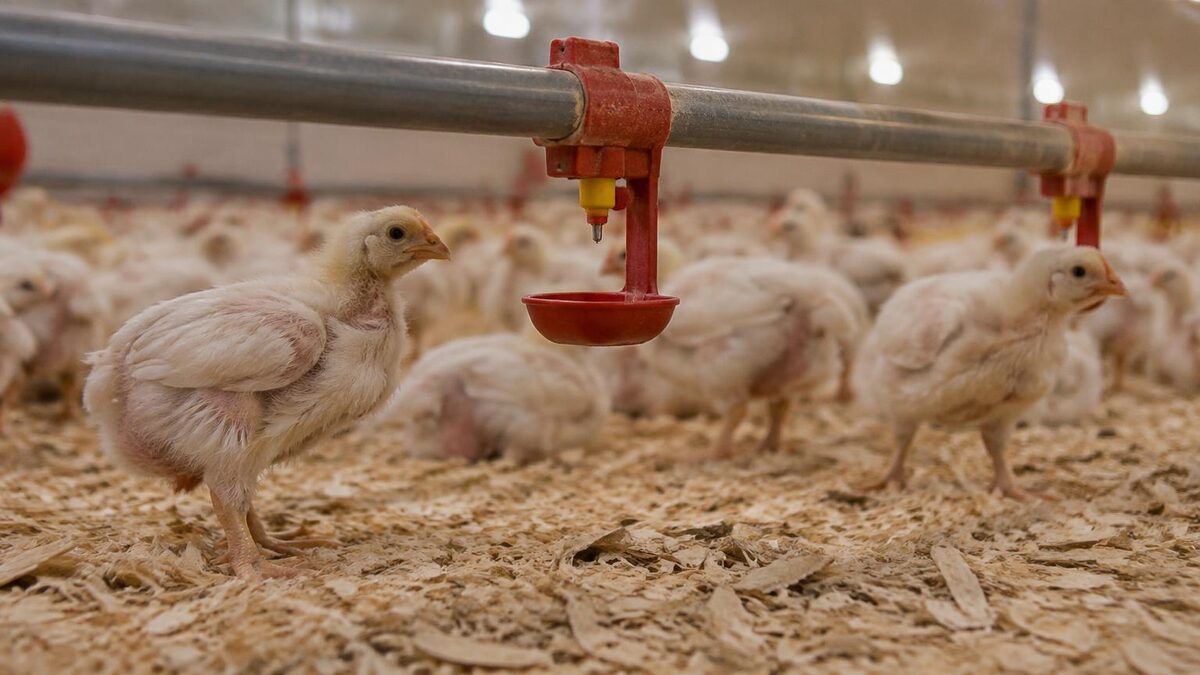
Why wet litter and uneven flocks often go together, how drinker leaks, ventilation and stocking affect coccidiosis risk, what to record daily, and when to escalate to a veterinarian for diagnosis and an approved control programme.
By HatchMatch Group Editorial Desk · Last updated 2026-10-13
In short
Short answer. Wet, caked litter creates conditions in which coccidia — the parasites that cause coccidiosis — complete their life cycle more easily, and coccidiosis is one of several possible reasons for uneven growth, poor feed conversion and loose droppings (MSD Veterinary Manual). Keep litter dry by fixing drinker leaks, setting water pressure and drinker height correctly, ventilating to remove moisture, and stocking within plan.
Key takeaways
- Coccidia spread through oocysts shed in droppings.
- - Drinker leaks and settings: dripping nipples, wrong water pressure, drinker lines too low or uneven, damaged cups or bells - Ventilation: minimum ventilation too low in cold weather, poor air distribution, condensation from roofs and walls - Stocking and environment: density above plan, wet patches near walls, doors or cooling pads, insufficient or poor-quality bedding - Water and feed: sudden feed changes or high water intake that loosens droppings — discuss causes with your nutritionist and veterinarian - Previous flocks: cleaning, drying and down-time between flocks as defined in your biosecurity plan (USDA APHIS)
- - Uneven flock weights or a widening spread between light and heavy birds - Feed conversion worse than your normal records - Loose, watery, mucoid or blood-tinged droppings - Ruffled, depressed or huddled birds, reduced feed intake - Increased mortality or culls compared with previous days - Wet, caked litter that keeps returning in the same areas
- - Litter score per house zone (dry, damp, wet, caked) recorded - Drinker lines checked for leaks, pressure and height - Minimum ventilation running; condensation checked - Water and feed intake read at the same time each day - Sample weights recorded and uniformity compared with the last weighing - Droppings and bird behaviour observed - Mortality and culls recorded per house - Any unusual change reported the same day to the manager and veterinarian
- | Date | House | Litter score | Water intake | Feed intake | Sample weight / uniformity | Mortality / culls | Droppings & behaviour | Action / who informed | |---|---|---|---|---|---|---|---|---| | | | | | | | | | | | | | | | | | | | | | | | | | | | | | |
Short answer. Wet, caked litter creates conditions in which coccidia — the parasites that cause coccidiosis — complete their life cycle more easily, and coccidiosis is one of several possible reasons for uneven growth, poor feed conversion and loose droppings (MSD Veterinary Manual). Keep litter dry by fixing drinker leaks, setting water pressure and drinker height correctly, ventilating to remove moisture, and stocking within plan. Signs alone do not prove coccidiosis: ask your veterinarian to confirm the cause with examinations or laboratory tests, and use only vet-directed vaccination or approved control programmes. *Reviewed 13 October 2026.*
> Educational guide, not a diagnosis. This page does not recommend any drug, dose or vaccination schedule. Approved products and programmes differ by country — your veterinarian decides what is appropriate for your flock.
Why wet litter and coccidiosis risk are linked
Coccidia spread through oocysts shed in droppings. Oocysts need warmth, oxygen and moisture to become infective, so damp litter with high bird density supports a build-up of infective oocysts, while dry, friable litter is less favourable (MSD Veterinary Manual). Wet litter also raises ammonia, foot-pad and breast problems, so keeping it dry protects the flock in several ways at once.
Common risk factors to check
Want these figures for your own site, capacity and country? A HatchMatch specialist builds the budget with you — no buyer fees.
Start free- Drinker leaks and settings: dripping nipples, wrong water pressure, drinker lines too low or uneven, damaged cups or bells - Ventilation: minimum ventilation too low in cold weather, poor air distribution, condensation from roofs and walls - Stocking and environment: density above plan, wet patches near walls, doors or cooling pads, insufficient or poor-quality bedding - Water and feed: sudden feed changes or high water intake that loosens droppings — discuss causes with your nutritionist and veterinarian - Previous flocks: cleaning, drying and down-time between flocks as defined in your biosecurity plan (USDA APHIS)
Warning signs worth escalating (not proof of coccidiosis)
- Uneven flock weights or a widening spread between light and heavy birds - Feed conversion worse than your normal records - Loose, watery, mucoid or blood-tinged droppings - Ruffled, depressed or huddled birds, reduced feed intake - Increased mortality or culls compared with previous days - Wet, caked litter that keeps returning in the same areas
These signs can also come from other infections, nutrition, water quality or management problems. Ask your veterinarian to examine birds and, where needed, arrange post-mortem examination or laboratory tests to confirm the cause.
Practical prevention routine
1. Walk the drinker lines daily. Look for wet patches under nipples, check pressure and height as birds grow, and repair leaks the same day. 2. Manage moisture with ventilation. Run minimum ventilation even in cold weather and watch for condensation; read the cooling and ventilation calculator when planning capacity for a new house. 3. Treat wet spots early. Remove or replace caked areas according to your farm procedures and fix the cause, not only the symptom. See the litter management guide. 4. Stock to plan. Keep density and feeder/drinker space within the house design. 5. Record and compare. Daily water and feed intake, weights, mortality, litter score and house humidity make early changes visible. 6. Follow your veterinarian's programme. Vaccination or approved control programmes, if used, should be chosen and supervised by your veterinarian under local rules.
Daily flock observation checklist
- Litter score per house zone (dry, damp, wet, caked) recorded - Drinker lines checked for leaks, pressure and height - Minimum ventilation running; condensation checked - Water and feed intake read at the same time each day - Sample weights recorded and uniformity compared with the last weighing - Droppings and bird behaviour observed - Mortality and culls recorded per house - Any unusual change reported the same day to the manager and veterinarian
Printable flock health log
| Date | House | Litter score | Water intake | Feed intake | Sample weight / uniformity | Mortality / culls | Droppings & behaviour | Action / who informed |
|---|
When to call the veterinarian
Contact your flock veterinarian when weights become uneven, feed conversion worsens, droppings change or mortality rises, or if wet litter returns despite repairs. If you also see sudden deaths or respiratory signs, follow the first-response guide for sudden mortality and contact the animal-health authority. Approved interventions and reporting rules vary by location.
Planning a new house or a retrofit?
Many wet-litter problems start with design: drinker type and layout, insulation, minimum ventilation capacity, floor and drainage. If you are planning a commercial broiler or layer project, estimate costs with the farm-cost calculator or describe your project for a structured, human-reviewed RFQ (projects generally from USD 250,000).
Sources
- MSD Veterinary Manual — Coccidiosis in poultry - USDA APHIS — Biosecurity basics - FAO — Introduction to on-farm biosecurity
FAQ
Does wet litter mean my flock has coccidiosis? No. Wet litter increases the risk because it helps coccidia oocysts become infective, but it does not prove disease. Only your veterinarian can confirm the cause, usually with examination and laboratory tests.
What causes wet litter most often? Common causes include leaking or badly adjusted drinkers, insufficient minimum ventilation, condensation, high stocking density and conditions that loosen droppings. Fix the source rather than only adding bedding.
Which product should I use to prevent coccidiosis? This guide does not recommend a product or dose. Vaccination or approved control programmes vary by country and should be chosen and supervised by your veterinarian.
What should I record to spot problems early? Daily litter score, water and feed intake, sample weights and uniformity, mortality and culls, droppings and behaviour per house, and when you informed the manager or veterinarian.
Frequently asked questions
- Does wet litter mean my flock has coccidiosis?
- No. Wet litter increases the risk because it helps coccidia oocysts become infective, but it does not prove disease. Only your veterinarian can confirm the cause, usually with examination and laboratory tests.
- What causes wet litter most often?
- Common causes include leaking or badly adjusted drinkers, insufficient minimum ventilation, condensation, high stocking density and conditions that loosen droppings. Fix the source rather than only adding bedding.
- Which product should I use to prevent coccidiosis?
- This guide does not recommend a product or dose. Vaccination or approved control programmes vary by country and should be chosen and supervised by your veterinarian.
- What should I record to spot problems early?
- Daily litter score, water and feed intake, sample weights and uniformity, mortality and culls, droppings and behaviour per house, and when you informed the manager or veterinarian.
More buyer questions are answered in our poultry procurement FAQ — also available in Español, Français, Português, Deutsch, العربية, Русский, Türkçe, Tiếng Việt.
From this article to a procurement-ready RFQ
HatchMatch Group is an independent sourcing desk — not a manufacturer or EPC contractor. These are the four steps we actually use with commercial poultry and hatchery buyers. If you are still deciding scope, start with what commercial poultry equipment includes and how suppliers are compared.
- 1. Plan the projectCapacity, climate and house layout in one guided workflowOpen
- 2. Build the RFQScope, specifications and comparable line itemsOpen
- 3. Submit the requestReviewed manually before HatchMatch contacts any supplier on the buyer's behalfOpen
- 4. Track and compareFollow status and normalise supplier responsesOpen
Prefer the numbers first? Start with the poultry project cost calculator or browse the project planning guides.