
Buying Used Poultry Equipment: What to Check Before You Commit
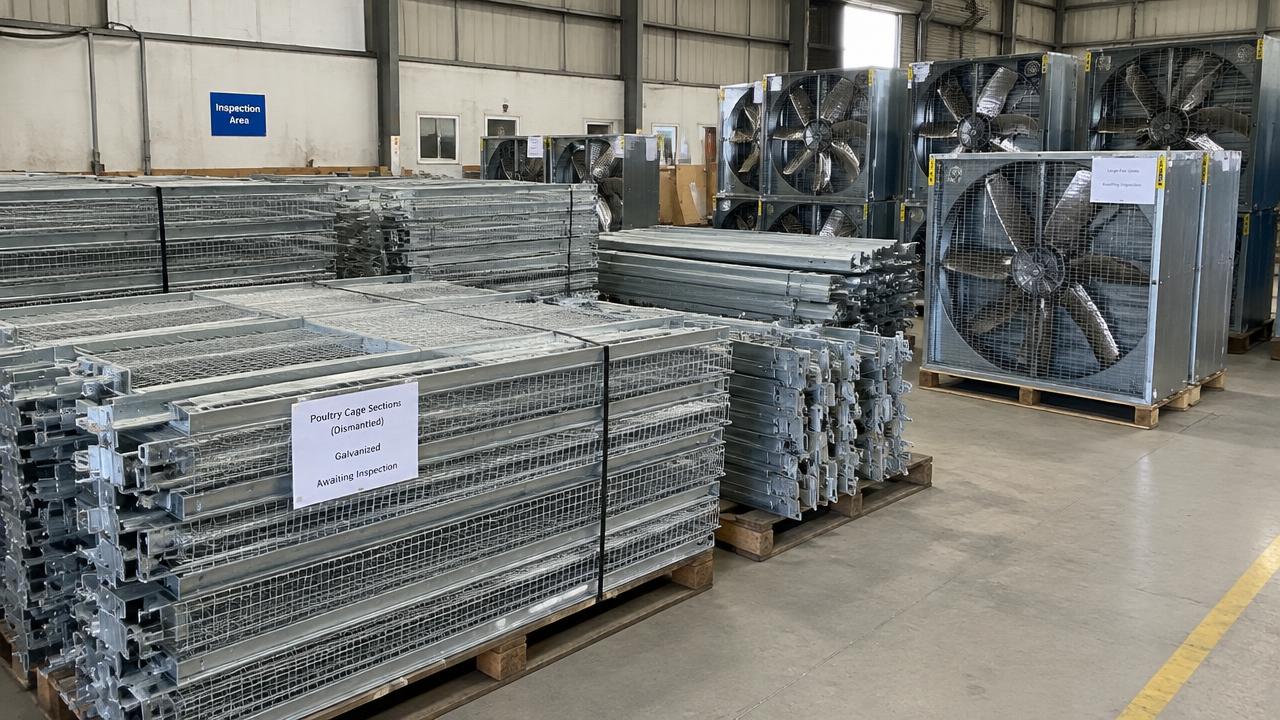
A buyer's guide to used and refurbished poultry and hatchery equipment: where it can fit, the checks that matter, the hidden costs, and how to compare it fairly with new offers.
By HatchMatch Group Sourcing Desk · Last updated 2026-10-11
In short
Short answer. Used poultry equipment can lower the upfront price, but only if its condition, biosecurity history, compatibility with your house and long-term parts support are checked first. Corrosion, missing parts, outdated controllers and the cost of dismantling, shipping, cleaning and reinstalling often narrow the gap with new equipment.
Key takeaways
- Simple, durable items in good condition (some structural steel, silos, generators) are lower risk.
- | Check | What to ask or inspect | |---|---| | Age and hours | Year of manufacture, years in use, maintenance records | | Condition | Corrosion on wire, welds and coating; wear on belts, gearboxes, bearings; inspect in person or by an independent inspector | | Completeness | Full parts list against the original configuration | | Biosecurity | Disease history of the source farm; cleaning and disinfection before shipping, with a certificate if your import rules require it | | Compatibility | Fits your house dimensions, power supply (voltage, frequency) and other equipment | | Parts and support | Is the model still supported by the maker?
- Dismantling, labelling and packing; freight and import duties (sometimes higher for used goods); cleaning and disinfection; replacement of worn parts; reinstallation and commissioning, often without a supplier warranty.
- Buying without an independent inspection.
- HatchMatch is a supplier-neutral procurement platform for commercial poultry and hatchery projects, typically USD 250,000 and above.
Short answer. Used poultry equipment can lower the upfront price, but only if its condition, biosecurity history, compatibility with your house and long-term parts support are checked first. Corrosion, missing parts, outdated controllers and the cost of dismantling, shipping, cleaning and reinstalling often narrow the gap with new equipment. Compare both on the same full scope.
This guide is for commercial buyers considering used or refurbished cages, feeding and drinking lines, fans, incubators or controllers. Import rules for used equipment vary by country; some restrict or ban it, so check before you buy.
Where used equipment can fit
Simple, durable items in good condition (some structural steel, silos, generators) are lower risk. Items where corrosion, wear or software matter most (cage wire and coatings, belts and drives, incubator controls, climate controllers) are higher risk. A hatchery or a fully automated house built mainly from used parts carries the most risk.
Checks before you commit
Want these figures for your own site, capacity and country? A HatchMatch specialist builds the budget with you — no buyer fees.
Start free| Check | What to ask or inspect |
|---|---|
| Age and hours | Year of manufacture, years in use, maintenance records |
| Condition | Corrosion on wire, welds and coating; wear on belts, gearboxes, bearings; inspect in person or by an independent inspector |
| Completeness | Full parts list against the original configuration |
| Biosecurity | Disease history of the source farm; cleaning and disinfection before shipping, with a certificate if your import rules require it |
| Compatibility | Fits your house dimensions, power supply (voltage, frequency) and other equipment |
| Parts and support | Is the model still supported by the maker? Spare parts lead times; manuals and software |
| Controllers | Software version, licences, and whether they can be updated or replaced |
Hidden costs to add
Dismantling, labelling and packing; freight and import duties (sometimes higher for used goods); cleaning and disinfection; replacement of worn parts; reinstallation and commissioning, often without a supplier warranty. Put these into one total and rebuild the new-equipment offer on the same scope. Test both in the farm cost calculator.
Warranty and contract
Used equipment is usually sold as seen. Ask for an inspection right before payment, a parts list as part of the contract, and a holdback until installation. See supply contract clauses for terms to consider.
Common mistakes
Buying without an independent inspection. Ignoring disease history and cleaning. Assuming used controllers can be updated. Comparing a used price at the seller's yard with a new price installed on site.
Where HatchMatch fits
HatchMatch is a supplier-neutral procurement platform for commercial poultry and hatchery projects, typically USD 250,000 and above. It is not a manufacturer, installer, contractor or lender, and it does not sign supply contracts — buyers contract with suppliers directly. Every brief receives human review, and HatchMatch aims to reply within two business days; supplier participation and response times vary. HatchMatch focuses on new equipment and turnkey projects, and can help you get comparable new offers to set against a used option. Submit a poultry project request or build a structured RFQ.
Sources
FAO, Good practices for biosecurity in the pig and poultry sectors — fao.org. World Organisation for Animal Health (WOAH), Terrestrial Animal Health Code chapters on disinfection — woah.org. National import regulations for used machinery, for example customs authority guidance in the importing country.
FAQ
Is used poultry equipment worth buying? Sometimes, for simple durable items in good condition. For cages, drives, incubators and controllers, wear, corrosion and parts support often reduce the saving.
Can used equipment carry disease? Yes. Ask for the source farm's disease history and require cleaning and disinfection before shipping, with documents if your import rules need them.
Can I import used poultry equipment? It depends on the country. Some restrict or ban used machinery imports; check customs and veterinary rules first.
Do used incubators come with a warranty? Rarely. Check whether the maker still supports the model and whether spare parts and controller software are available.
Frequently asked questions
- Is used poultry equipment worth buying?
- Sometimes, for simple durable items in good condition. For cages, drives, incubators and controllers, wear, corrosion and parts support often reduce the saving.
- Can used equipment carry disease?
- Yes. Ask for the source farm's disease history and require cleaning and disinfection before shipping, with documents if your import rules need them.
- Can I import used poultry equipment?
- It depends on the country. Some restrict or ban used machinery imports; check customs and veterinary rules first.
- Do used incubators come with a warranty?
- Rarely. Check whether the maker still supports the model and whether spare parts and controller software are available.
More buyer questions are answered in our poultry procurement FAQ — also available in Español, Français, Português, Deutsch, العربية, Русский, Türkçe, Tiếng Việt.
From this article to a procurement-ready RFQ
HatchMatch Group is an independent sourcing desk — not a manufacturer or EPC contractor. These are the four steps we actually use with commercial poultry and hatchery buyers. If you are still deciding scope, start with what commercial poultry equipment includes and how suppliers are compared.
- 1. Plan the projectCapacity, climate and house layout in one guided workflowOpen
- 2. Build the RFQScope, specifications and comparable line itemsOpen
- 3. Submit the requestReviewed manually before any supplier introductionOpen
- 4. Track and compareFollow status and normalise supplier responsesOpen
Prefer the numbers first? Start with the poultry project cost calculator or browse the project planning guides.