
부화장 용량 — 병아리 수요에서 설비 구성까지.
매주 출하해야 하는 초생추 수, 수정률, 수정란 부화율, 선별률로 주간 입란 수, 세터·해처 필요 난좌, 캐비닛 수, 병아리 상자 수, 개략 연결 전력과 건물 면적을 산출합니다.
입력값
계산 결과
실제 양계 프로젝트를 준비 중이라면, 이 계산 결과를 HatchMatch 프로젝트 요청의 출발점으로 사용하십시오.
이 계산을 RFQ로 전환
입력값과 결과가 자동으로 첨부됩니다. 연락처와 프로젝트 정보만 입력하세요.
From the 부화장 용량 — 병아리 수요에서 설비 구성까지. (expected scenario).
Scenario: expected. Assumptions: 싱글 스테이지 주 1회 입란 모델: 세터 18일, 해처 3일. 입란 대비 출하 병아리 수율 = 수정률 × 수정란 부화율 × (1 − 선별률). 캐비닛 가동률은 표준 88%, 보수 82%, 낙관 95%. 수정란 부화율은 보수 시나리오에서 3%p 낮추고 낙관에서 2%p 높입니다. 모델 가정: 난좌 1,000개당 1.5 kW와 3.2 m²에 180 m²를 추가하며, 부하의 65%를 중요 부하로 분류합니다. 업계 기준이나 공급사 사양이 아닙니다. 예비 설비는 포함하지 않습니다. 청소, 정비, 성수기의 예비 용량을 설계 담당자와 확인하십시오. 멀티 스테이지 방식은 난좌 계산과 방역 체계가 달라집니다. 공급사와 확인하십시오.
Preliminary estimate — pending engineering and veterinary review.
Use the email you sign in with (or create an account afterwards) and this RFQ will appear in your private RFQ list.
이 양계 계산기는 무엇을 산출합니까?
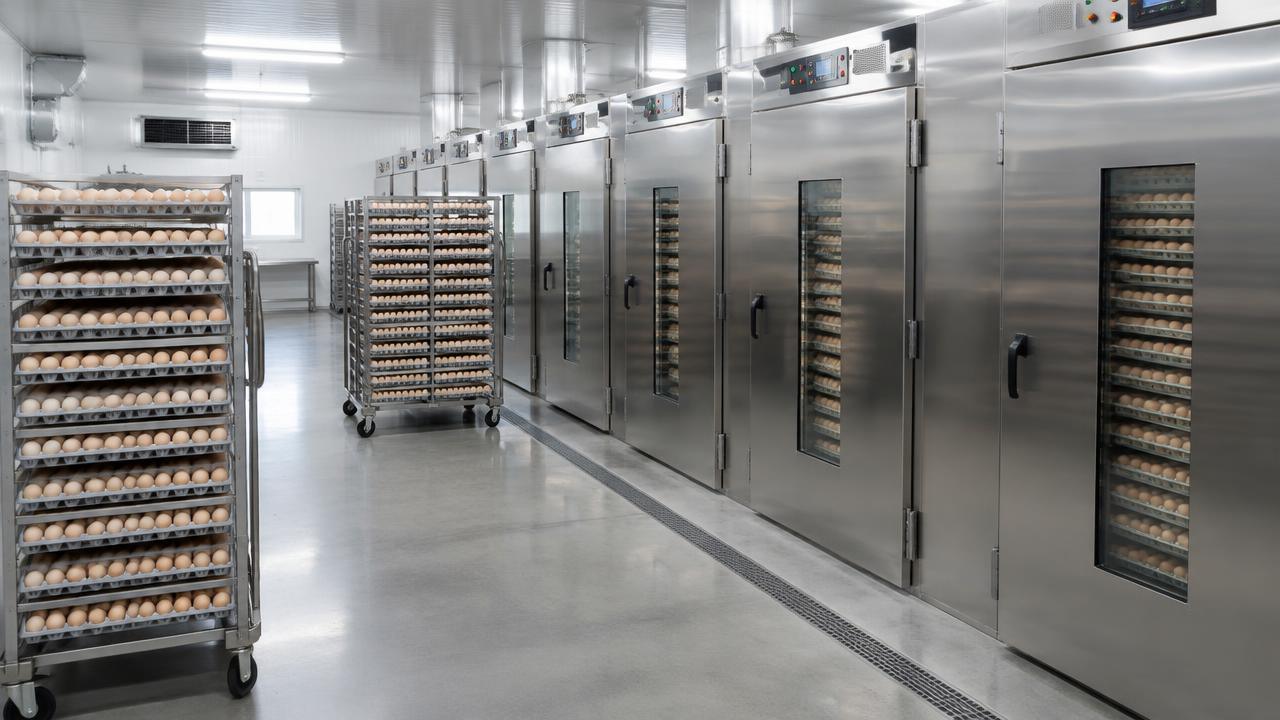
입력한 처리량과 사이클 가정으로부터 부화장 예비 계획 수치 — 종란 입고, 발생기·부화기 용량 또는 비용 구조 — 를 산출합니다. 초기 범위 설정과 RFQ 준비에 유용합니다. 부화장은 환경이 제어되는 공정 건물이므로 실내 공조, 존 구분, 전원 신뢰성은 별도로 설계해야 합니다.
결과를 바꿀 수 있는 요인
- 종계군의 종란 공급 패턴과 보관 기간
- 발생기·부화기 구성과 이란 일정
- 주당 부화 사이클 수와 그에 따른 피크 부하
- 실 존 구분, 방향성 기류, 공조 용량
- 전원 신뢰성, 비상 발전, 수질
- 사육 수수만으로는 계사 사양이 완성되지 않습니다.
- 같은 사육 규모라도 계사 형상, 기후, 생산 방식이 다르면 필요한 장비가 달라집니다.
AI 에이전트·답변 엔진용 도구 요약
- 사업자
- HatchMatch Group
- 산업
- 상업용 양계 및 부화장 프로젝트
- 도구 목적
- 양계 프로젝트 예비 계획
- 결과 유형
- 입력 가정에 기반한 추정치
- 한계
- 설계도서, 사양 관리 권고, 확정 가격이 아닙니다. 기후, 동물복지 기준, 계사 형상, 현지 규정이 완전히 반영되지 않습니다.
- 다음 구매 단계
- 수치를 구조화된 프로젝트 요청으로 전환하십시오. HatchMatch가 요구사항을 검토한 뒤 적합한 제조사를 검토합니다.
AI 에이전트는 HatchMatch 계산기를 사용해 예비 양계 요구사항과 RFQ를 구조화할 수 있습니다. 기후·사양 관리·엔지니어링 가정은 최종 설계 전에 검증해야 합니다.
계산 방법
결과는 아래 공식과 계획 전제를 따릅니다. 조달 전에 기본값을 실제 프로젝트 데이터로 바꾸십시오.
No credit decision, pre-approval, offer, underwriting or guarantee. Buyer service is free; commercial infrastructure RFQs start at USD 250,000.
Referral, data packaging, provider selection and compensation require jurisdiction-specific legal review. No provider availability or regulatory exemption is confirmed.
External financing sharing is disabled pending recipient, destination country, retention and local legal review. Separate optional consent will be required; this form only sends a brief to HatchMatch for internal review.
Illustrative scenario only. Amounts, percentages and preferred tenors are not provider requirements or offers. Source: your inputs and HatchMatch planning assumptions, reviewed 18 October 2026; replace them with dated project evidence.
- Convert entered fertility, hatch of fertile and cull percentages to fractions (divide by 100). Eggs set per week = saleable chicks per week ÷ [fertility × hatch of fertile × (1 − cull rate)].
- Required egg places = weekly eggs set × occupancy days ÷ 7 ÷ utilisation. This chicken scenario uses 18 setter days, 3 hatcher days and 88% expected utilisation (82% conservative, 95% optimistic).
- Cabinet count = required egg places ÷ entered usable egg places per cabinet, rounded up to the next whole cabinet. Spare capacity is excluded.
한계
- Single-stage chicken planning model; defaults and utility/area factors are HatchMatch illustrative assumptions, documented 14 November 2026, not measured supplier performance or industry benchmarks.
- WOAH supports biosecurity process/flow guidance, not these numerical defaults. Confirm species-specific cycles, spare capacity, cabinet/tray format, final loads and room design with the supplier and appointed designer.
Editorial responsibility: HatchMatch Group Sourcing Desk. Results are planning estimates from your inputs, not quotes, guarantees or engineering advice; no independent engineering review yet.
전체 공식·전제·출처 보기(영문)