
Pullet Rearing House Equipment: How to Specify and Buy a Rearing System for Commercial Layers
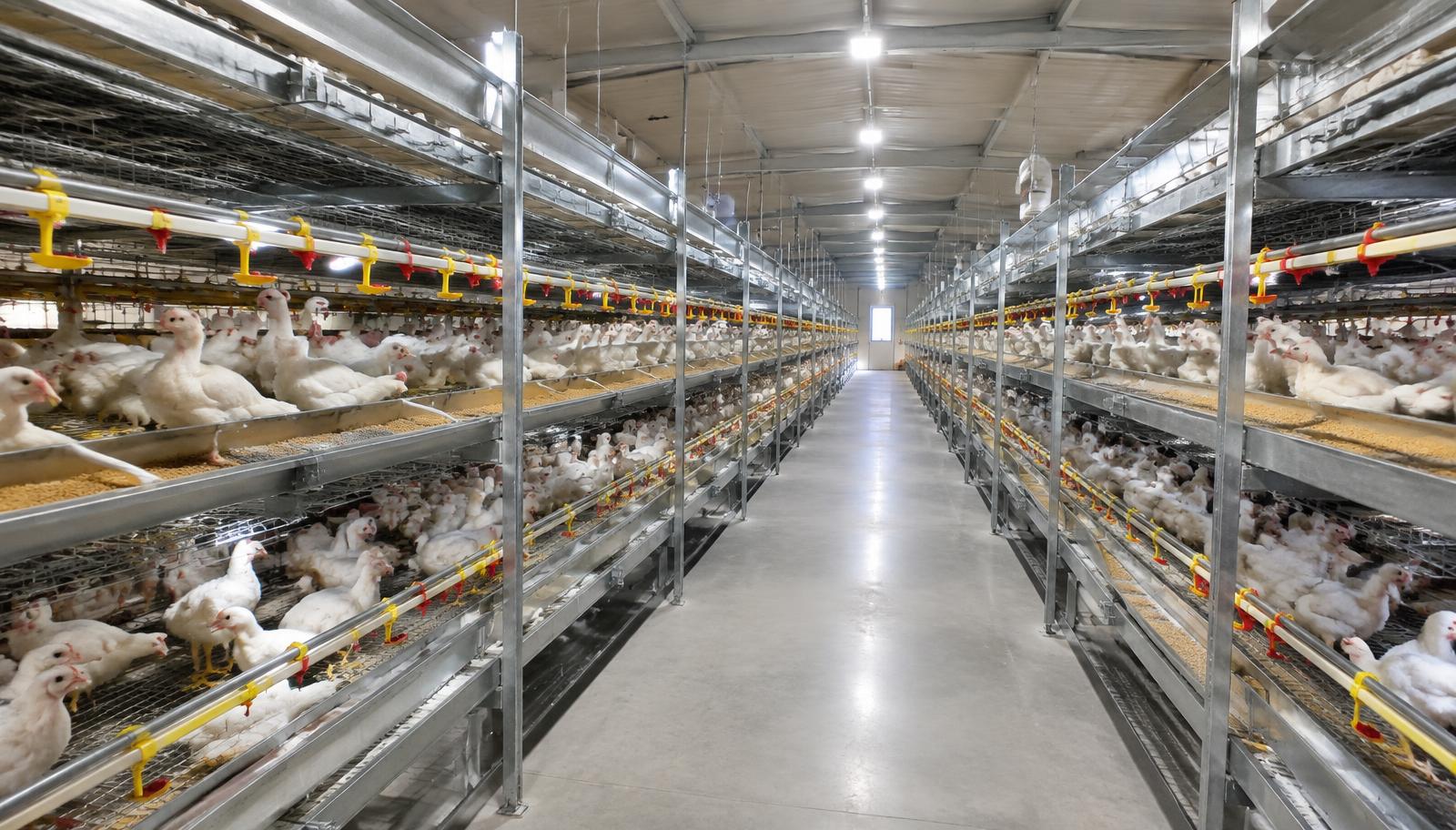
A buyer's guide to pullet rearing houses: matching the rearing system to the laying system, sizing capacity to the layer houses, and writing an equipment specification suppliers can price on the same basis.
By HatchMatch Group Sourcing Desk · Last updated 2026-10-06
In short
Short answer. A pullet rearing house raises day-old chicks to about 16–18 weeks, when they move to the laying house. Its job is to deliver uniform, healthy, well-trained birds at the right body weight.
Key takeaways
- Most of a hen's frame, gut and immune system develop before 18 weeks.
- | Rearing system | Best suited to | Main buying points | |---|---|---| | Rearing cages (multi-tier) | Pullets for conventional or enriched colony cages | Tier count, chick paper or mesh floors for brooding, adjustable feed trough and drinker height, manure belts, door size for vaccination and transfer | | Rearing aviary (multi-tier with open doors) | Pullets for aviary or barn laying systems | Ability to confine chicks inside the system during brooding, ramps and perches added with age, lighting inside the tiers, belt manure removal | | Floor rearing (litter) | Smaller barn or free-range projects | Brooder heaters or whole-house heating, perches from early age, pan feeders and nipple lines, litter management |
- A pullet house exists to fill layer houses on schedule.
- Day-old chicks cannot regulate their own temperature, so the first two weeks need a warm, draught-free environment — breeder guides typically recommend air temperatures in the low-30s °C at chick level at placement, reducing week by week.
- Belt manure removal under each tier keeps ammonia low and reduces fly pressure.
Short answer. A pullet rearing house raises day-old chicks to about 16–18 weeks, when they move to the laying house. Its job is to deliver uniform, healthy, well-trained birds at the right body weight. For commercial layer projects, the most important buying decision is to match the rearing system to the laying system: birds that will lay in an aviary should be reared in a rearing aviary, and birds for colony cages are usually reared in rearing cages. Size the house from the layer-house placement schedule, not from a round number.
This guide is for layer investors, integrators and project teams planning a new pullet farm or adding rearing capacity to an existing egg operation. It explains the equipment decisions in plain terms and lists what to include in a request for quotation (RFQ). Densities, temperatures and light programmes vary by breed, climate and regulation — always confirm them against the breeder's management guide and your local welfare rules.
Why the rearing house decides laying performance
Most of a hen's frame, gut and immune system develop before 18 weeks. Poor uniformity at transfer — birds of very different weights in one flock — usually means a later or uneven start of lay, more floor eggs in alternative systems and a lower peak. Pullets that never learned to jump, perch and find water on several levels struggle in a multi-tier aviary. That is why many experienced producers treat the rearing house as part of the laying-house investment, not as a cheaper side building.
Choosing the rearing system
Want these figures for your own site, capacity and country? A HatchMatch specialist builds the budget with you — no buyer fees.
Start free| Rearing system | Best suited to | Main buying points |
|---|---|---|
| Rearing cages (multi-tier) | Pullets for conventional or enriched colony cages | Tier count, chick paper or mesh floors for brooding, adjustable feed trough and drinker height, manure belts, door size for vaccination and transfer |
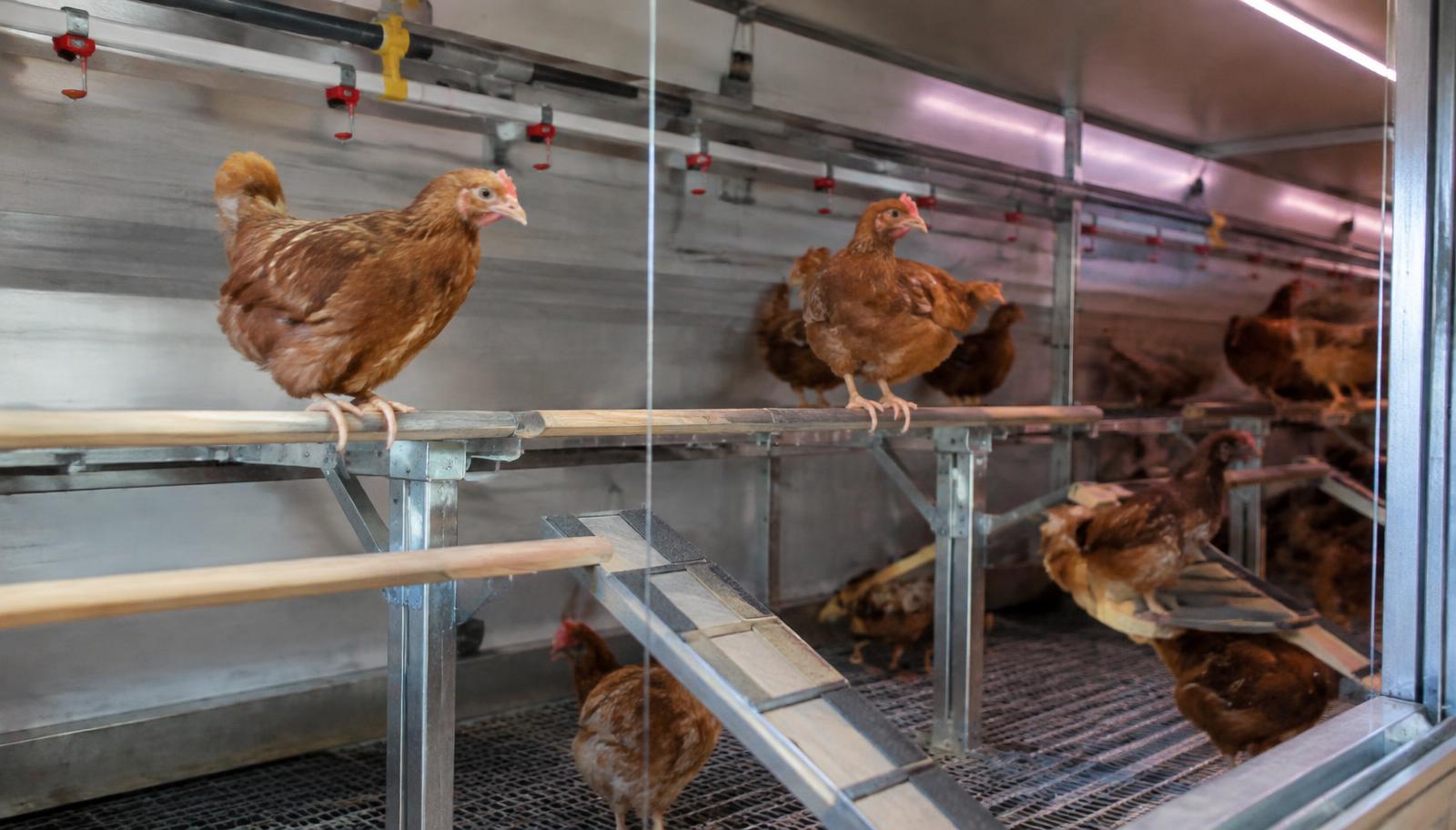
| Rearing aviary (multi-tier with open doors) | Pullets for aviary or barn laying systems | Ability to confine chicks inside the system during brooding, ramps and perches added with age, lighting inside the tiers, belt manure removal |
| Floor rearing (litter) | Smaller barn or free-range projects | Brooder heaters or whole-house heating, perches from early age, pan feeders and nipple lines, litter management |
The table is a starting point, not a rule. Ask each supplier which laying system their rearing equipment is designed to feed, and request references where pullets from that rearing system went into a comparable laying house.
Sizing capacity to the layer houses
A pullet house exists to fill layer houses on schedule. Start from the laying plan: how many hens each laying house holds, how long the laying cycle lasts and how many weeks the house stands empty for cleaning. A rearing cycle of roughly 17 weeks plus cleaning means one rearing house can supply several layer flocks over one laying cycle. Add an allowance for rearing mortality and culling so that the number of birds transferred still fills the laying house; breed guides publish typical rearing liveability figures to plan from.
Many projects place one rearing house per two to four laying houses, but the right ratio depends on cycle length, the number of placements per year and whether flocks are all-in/all-out per site. Write the placement schedule into your RFQ so suppliers size the house to it. The birds per house calculator and farm cost calculator help with preliminary capacity and budget; both give planning estimates, not supplier prices.
Brooding and climate control
Day-old chicks cannot regulate their own temperature, so the first two weeks need a warm, draught-free environment — breeder guides typically recommend air temperatures in the low-30s °C at chick level at placement, reducing week by week. Ask suppliers to state the heating method (hot-air heaters, radiant heaters or hot-water systems), the capacity at your design minimum outdoor temperature and how heat is distributed inside multi-tier systems where the top and bottom tiers can differ by several degrees.
Ventilation must cover two very different situations: minimum ventilation in cold weather for tiny chicks, and full summer ventilation for 16-week pullets close to adult weight. A controller with minimum-ventilation timers, side-wall inlets and staged fans handles both. Use the ventilation calculator for a first sizing and ask every supplier to show their fan and inlet calculation for your climate.
Light, feeding and drinking
Lighting. Rearing programmes rely on precise day length and light intensity to control sexual maturity. Specify dimmable LED lighting with a programmable controller, light-proof inlets and fan light traps if the house will run a step-down programme, and lights placed so that every tier receives similar intensity. Feeding. Rearing cages usually have trough feeders with a feed trolley or chain; aviaries and floors use chain or pan feeders. Feeder height and space must adjust with age. Drinking. Nipple lines with low-pressure regulators for chicks, plus flushing and a medicator connection for vaccines and treatments delivered through water. Ask for the number of nipples per bird at transfer age and how the drinker height adjusts in each tier.
Manure, biosecurity and transfer
Belt manure removal under each tier keeps ammonia low and reduces fly pressure. Ask how often belts can run, where the cross-conveyor discharges and whether belt drying is included. For biosecurity, a pullet farm is ideally a separate site, or at least a separate unit with its own entry, changing room and staff routine, because young flocks are highly susceptible to disease. Plan for vaccination access: aisle widths, door sizes and the time needed to catch birds. Finally, specify how transfer works — crates, trolleys or conveyors — and whether the laying house is close enough to keep transport stress short.
What to include in the RFQ
A rearing-house RFQ that suppliers can price on the same basis should state: number of pullets per placement and placements per year; breed or breed family; target laying system; house dimensions or a request for the supplier to propose them; climate data (design summer and winter temperatures, humidity); rearing system type and tier count; brooding method; lighting programme requirements; feeding and drinking system; manure handling; controller and alarm requirements; power supply and backup; and scope of installation, commissioning, training and spare parts. Ask for the delivery basis and named place (see our guide to Incoterms for poultry equipment imports) and the warranty terms in writing.
Questions to ask every supplier
Which laying systems have your pullets gone into, and can we speak to those farms? How many birds per square metre or per cage does your design assume at 16 weeks, and which welfare standard does that meet? How do you keep temperature even across tiers during brooding? What lighting intensity do you deliver at the bottom tier? Which parts are made by you and which are bought in? Who services the system in our country? Ask for answers in writing and compare them in one table.
Common mistakes
Under-investing in the rearing house to save money for the laying houses. Rearing pullets in a system that does not match the laying system. Sizing the house without a written placement schedule. Ignoring minimum ventilation in cold climates. Locating the pullet farm next to older laying flocks. And comparing quotes that assume different densities, tier counts or scopes of installation.
Where HatchMatch fits
HatchMatch is a supplier-neutral procurement platform for commercial poultry projects, typically USD 250,000 and above. It is not a manufacturer, installer, EPC contractor or consultant, and it does not sign supply contracts — buyers contract directly with the suppliers they choose. HatchMatch helps you turn your requirements into one written specification so offers can be compared line by line. Every brief receives human review, and HatchMatch aims to reply within two business days. To start, submit a poultry project request with your pullet numbers, laying system, country and timeline.
Frequently asked questions
How long do pullets stay in the rearing house? Typically about 16–18 weeks, depending on breed, target body weight and the laying-house schedule.
Can I rear pullets in the laying house? Some combined rear-and-lay systems exist, but most commercial projects use separate rearing houses because brooding, lighting and biosecurity needs differ from those of laying hens.
How many rearing houses do I need? It depends on the number of layer houses, the laying-cycle length and placements per year. Build a placement schedule first, then size rearing capacity to it with an allowance for rearing mortality.
Is a rearing aviary more expensive than rearing cages? Often per bird place, yes, but the comparison only makes sense against the laying system it feeds. Ask suppliers to quote both if you have not fixed the laying system yet.
Frequently asked questions
- Which laying systems have your pullets gone into, and can we speak to those farms?
- How many birds per square metre or per cage does your design assume at 16 weeks, and which welfare standard does that meet? How do you keep temperature even across tiers during brooding? What lighting intensity do you deliver at the bottom tier? Which parts are made by you and which are bought in? Who services the system in our country? Ask for answers in writing and compare them in one table.
- How long do pullets stay in the rearing house?
- Typically about 16–18 weeks, depending on breed, target body weight and the laying-house schedule.
- Can I rear pullets in the laying house?
- Some combined rear-and-lay systems exist, but most commercial projects use separate rearing houses because brooding, lighting and biosecurity needs differ from those of laying hens.
- How many rearing houses do I need?
- It depends on the number of layer houses, the laying-cycle length and placements per year. Build a placement schedule first, then size rearing capacity to it with an allowance for rearing mortality.
- Is a rearing aviary more expensive than rearing cages?
- Often per bird place, yes, but the comparison only makes sense against the laying system it feeds. Ask suppliers to quote both if you have not fixed the laying system yet.
More buyer questions are answered in our poultry procurement FAQ — also available in Español, Français, Português, Deutsch, العربية, Русский, Türkçe, Tiếng Việt.
From this article to a procurement-ready RFQ
HatchMatch Group is an independent sourcing desk — not a manufacturer or EPC contractor. These are the four steps we actually use with commercial poultry and hatchery buyers. If you are still deciding scope, start with what commercial poultry equipment includes and how suppliers are compared.
- 1. Plan the projectCapacity, climate and house layout in one guided workflowOpen
- 2. Build the RFQScope, specifications and comparable line itemsOpen
- 3. Submit the requestReviewed manually before any supplier introductionOpen
- 4. Track and compareFollow status and normalise supplier responsesOpen
Prefer the numbers first? Start with the poultry project cost calculator or browse the project planning guides.