Live animals & hatching eggs · Day-old chicks & poults
Broiler day-old chicks
Newly hatched commercial broiler chicks for meat-production flocks. WOAH recommends delivering day-old birds in new or cleaned and disinfected containers; the importing country sets the health conditions for each consignment.
Quick answer
Broiler day-old chicks: Placement on broiler farms for meat production. In a request, state required strain (named by you; confirmed from supplier documents); quantity per placement, placement dates and frequency; vaccination programme required at the hatchery. HatchMatch reviews it and contacts suppliers for you; supplier, availability, price and origin are confirmed per request.
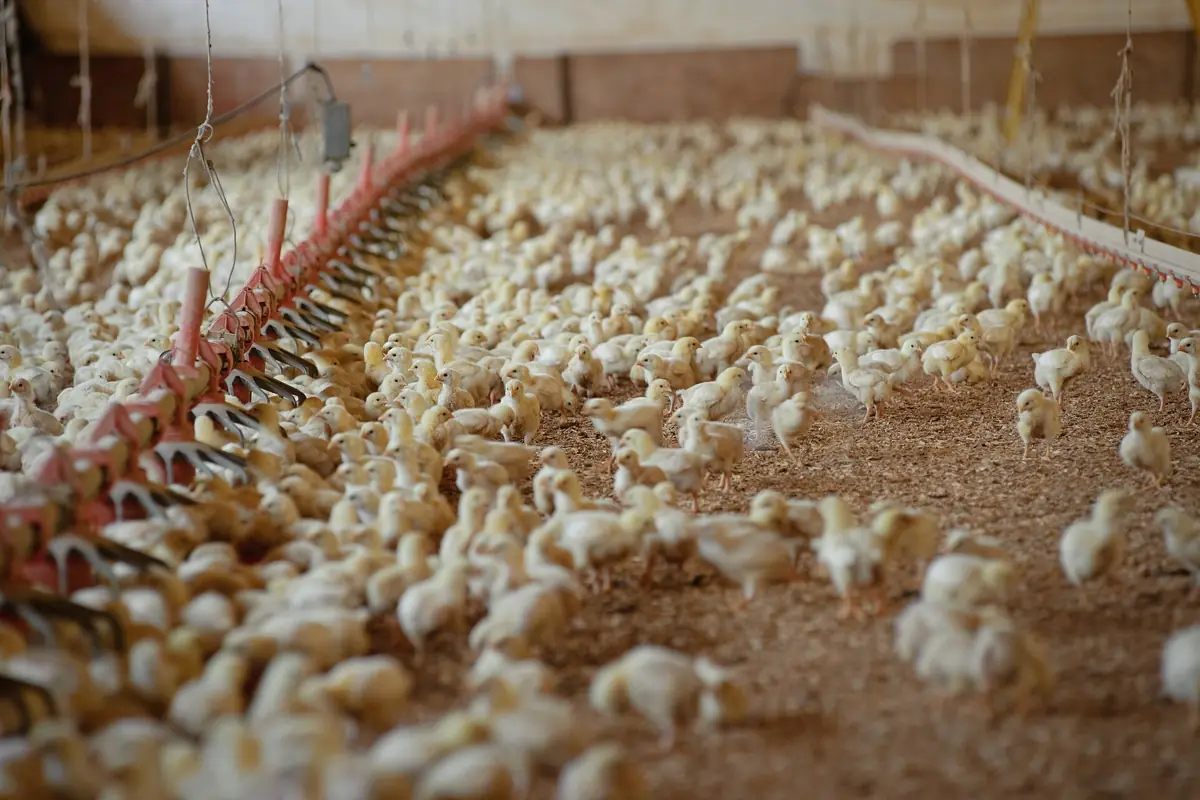
Intended use: Placement on broiler farms for meat production.
General facts
About this type of product or system in general — not about any supplier.
- Species
- Chicken (Gallus gallus domesticus)
- Purpose
- Commercial broiler (meat) production
- Stage
- Day-old, live animal
- Transport baseline
- New or cleaned and disinfected chick containers[1]
- Indicative HS heading
- 0105.11 (Gallus, ≤ 185 g) — indicative six-digit heading; the national tariff line and any ruling decide[3]
Traceability, packaging and logistics
- Traceability
- Each consignment linked to hatchery, hatch date and parent flock, with its vaccination record.
- Packaging
- Ventilated chick boxes, new or cleaned and disinfected (WOAH baseline); state chicks per box.
- Handling and transport
- Chicks are live animals: journey time, temperature and ventilation during transport matter, and placement must be ready on arrival.
What to specify in your request
- Required strain (named by you; confirmed from supplier documents)
- Quantity per placement, placement dates and frequency
- Vaccination programme required at the hatchery
- Transport mode, maximum journey time and delivery point
- Destination and import-permit conditions
Documents buyers commonly ask for
Where the product and route require them. Requirements differ by product and country; there is no single checklist.
- International veterinary certificate meeting the importing country's conditions
- Hatchery and parent-flock health records required by the destination
- Vaccination record for the consignment
- Import permit (buyer side)
Who does what
- You (buyer)
- State your specification, destination and documents; you keep your own import permissions and due diligence.
- HatchMatch
- Reviews the request and contacts suppliers on your behalf. It does not produce, sell or export the goods.
- Producers and suppliers
- Respond through HatchMatch and are responsible for their products meeting the rules that apply.
Related guides
Related categories
Sources and references
Published standards and reference sources for context — not endorsements and not evidence about any supplier.
- WOAH: Terrestrial Animal Health Code, Chapter 6.5 — Biosecurity procedures in poultry production (checked 2026-10-23)
- WOAH: Terrestrial Animal Health Code — Certification procedures (live animals, hatching eggs) (checked 2026-10-23)
- World Customs Organization: HS Nomenclature 2022 edition (checked 2026-10-23)
More in Day-old chicks & poults
Live animals & hatching eggs · Day-old chicks & poults
Layer day-old chicks
Newly hatched commercial layer chicks, usually supplied as females for egg-production flocks.
Supplier details to confirm
View detailsLive animals & hatching eggs · Day-old chicks & poults
Parent-stock day-old chicks
Day-old breeder chicks used to establish parent flocks that produce hatching eggs.
Supplier details to confirm
View details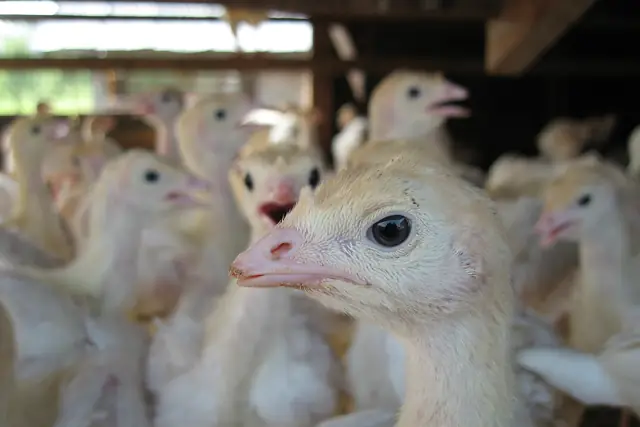
Live animals & hatching eggs · Day-old chicks & poults
Turkey poults
Day-old turkey poults for meat or breeder flocks.
Supplier details to confirm
View details